The
Witch Hunt on
Wicked's Bodies
The Witch Hunt on WICKED's Bodies💚🩷
From Tumblr’s early days, a modern Dear Coquette on media literacy, ethics, and why speculating about bodies isn’t concern—it’s just b*tchy.
A. T. Napoli
12/3/202534 min read
by A. T. Napoli
12.02.2025
From Tumblr’s early days, a modern Dear Coquette on media literacy, ethics, and why speculating about bodies isn’t concern—it’s just b*tchy.💚🩷
🛑 Content Advisory: discussions of body image, bullying, and mental health ahead. Please proceed with care.
Update:
An Expert's Take
1.18.2026
I've had quite some time to genuinely engage with counterpoints to the discourse I'm addressing in the blog post below, both on and offline. Many of these perspectives are coming from a good place. Some are thoughtful, nuanced. and well-intended. If these takes didn't highlight specific people and their bodies as evidence or case study, they'd be great even!
But the moment a specific person's body is used as evidence—when we highlight these cast members, celebrities, or strangers, and speculate on their physical or mental health, even out of concern—even if you might 'hope they get better,' 'hope they gain weight,' or are even correct about your speculations—the line is already crossed. At that point, the discussion becomes unethical.
Before you raise your fists: I'm not telling anyone not to care. I'm not denying that EDs exist, or that there might be mental health at risk here. And I'm not saying the concern itself is unethical.
What I am saying is this: we don't know these people personally, even when celebrity culture makes it feel like we do. Speculating about their health based on appearance, especially on public forums like social media, relies on entitlement to private lives we are not granted access to. We must respect our fellow humans and their boundaries. The entitlement is the problem... and it's honestly weird AF.
Let's talk systems!
Let's talk media literacy and patterns!
Surveilling and scapegoating specific people and their bodies, especially parasocial ones like celebrities, and even strangers? We will only perpetuate the same system we all claim to want to end. It teaches those in our orbits that they will be policed for their bodies, too, when shame is what pushes us into the shadows. This is where disordered relationships with our bodies are grown and take root.
We must let people be the ones to tell their bodies' stories, in their own time. Every body deserves that respect. I'll be updating this post as the conversation grows.
Here, a registered dietician articulates the core issue of this debate and the patterns at play. without centering real people's bodies as case study. Let's shift the focus, as Kristin does so excellently, away from specific people and back to culture and its structures:
🌪️Something strange is happening online.
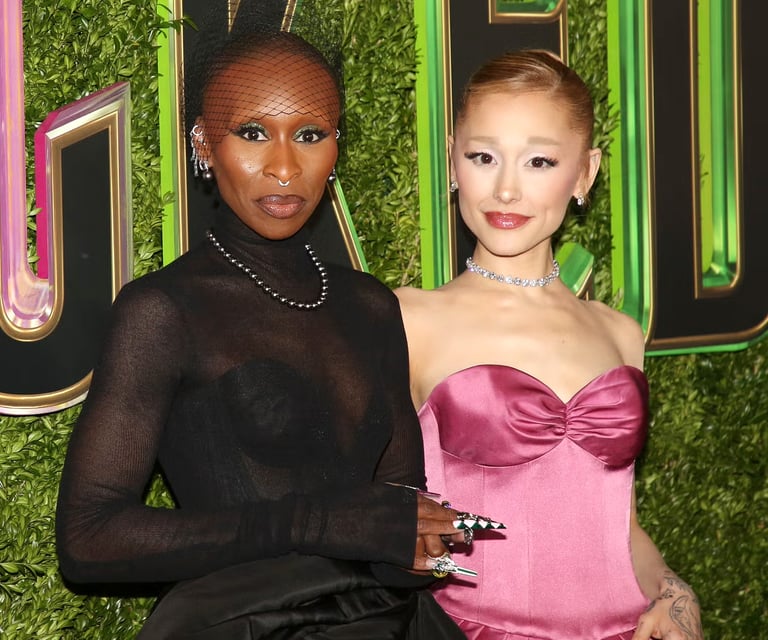
Wicked: For Good has landed in theatres, and with it, apparently, everyone’s unsolicited medical advice.
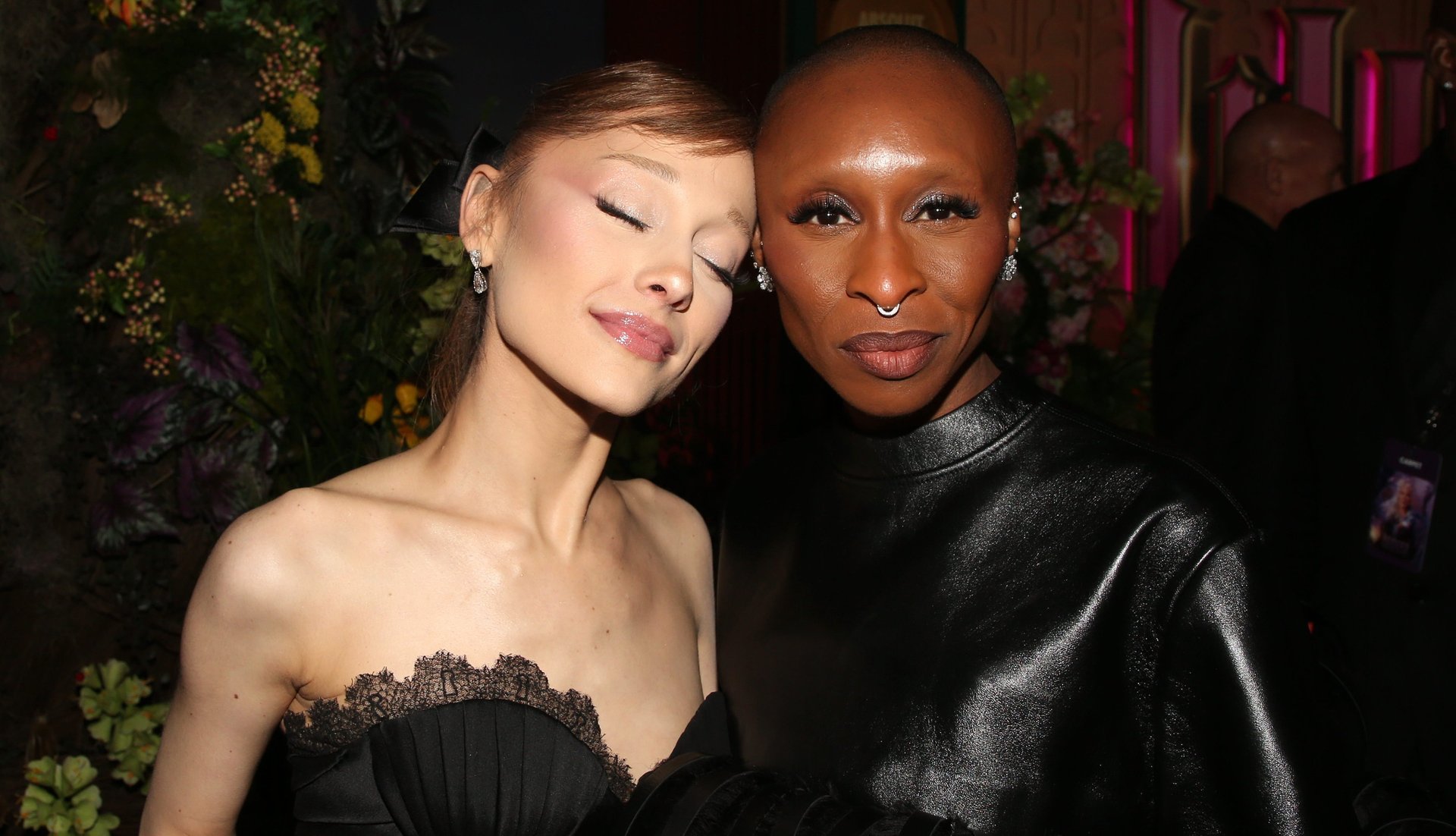
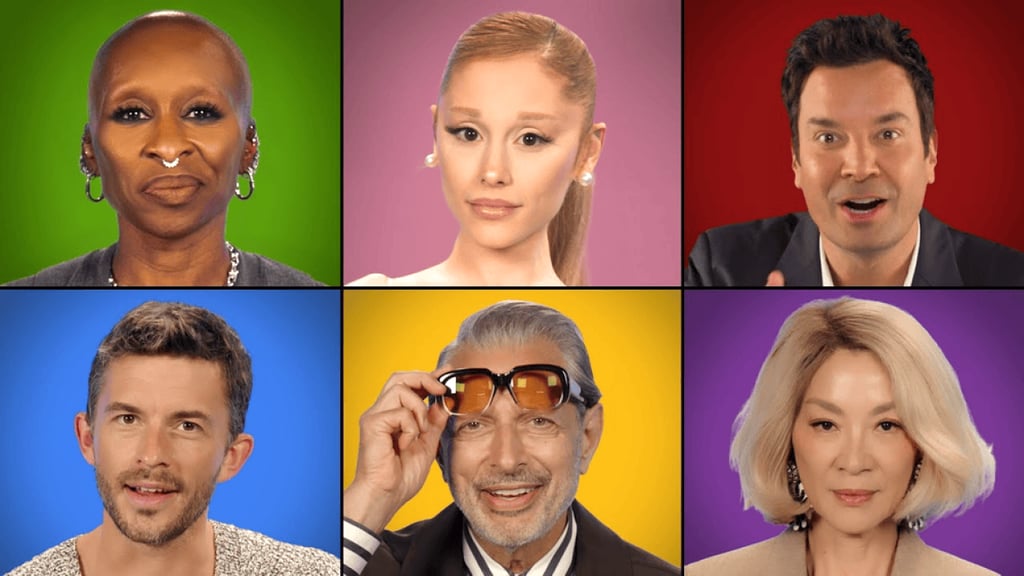
As Cynthia Erivo, Ariana Grande, Michelle Yeoh, Jonathan Bailey, director Jon Chu, and more make the rounds on their global press tour for the second installment of the world's beloved Wizard-of-Oz retelling, something else is circulating—a commentary that has somehow gotten louder than the musical itself:
"Concern" over the actors’ weight.
There is so much criticism of these actors' bodies, I swear we've missed the point of the story so thoroughly, we're reenacting Wicked's entire premise IRL.
For a moment, suspend your disbelief and consider this:
The very act of commenting about a specific person, using their body as an example, and assigning meaning to it, is an ethical problem. It's body policing. It's bullying, even when it comes from a well-intended place.
That alone should be the end of it. But somehow, it never is.
Let's be clear: public commentary on strangers' bodies freezes a moment in time and strips it of context, history, and humanity. In doing so, it reverse-engineers a moral narrative that positions the commenter as righteous and virtuous. It reduces real people to surfaces—case studies without consent, nuance, or expertise.
What Is This Feeling?
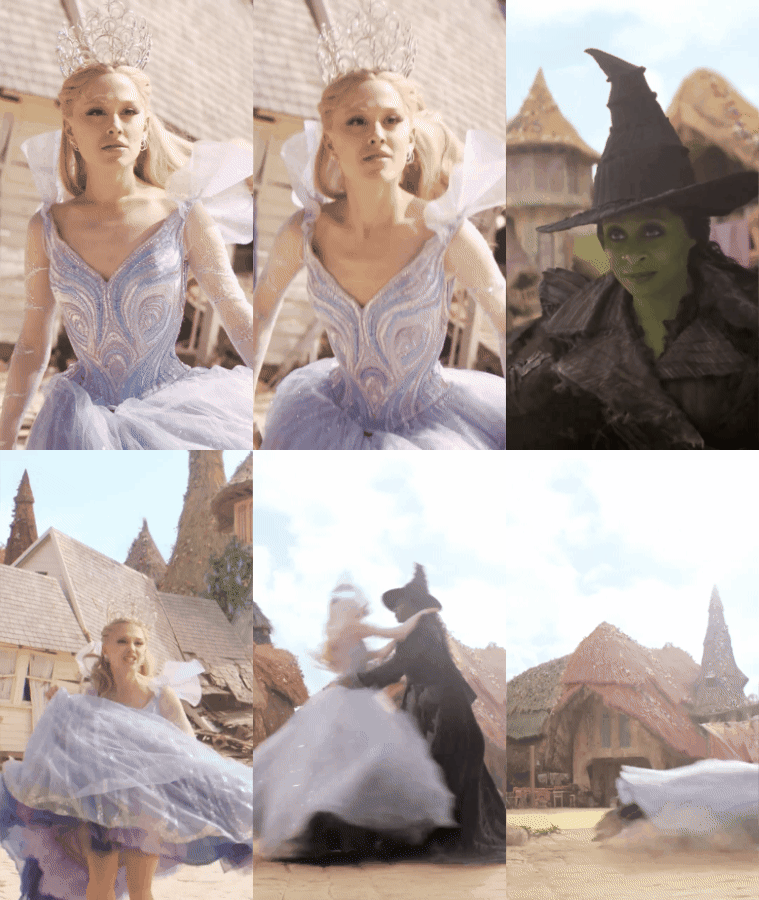
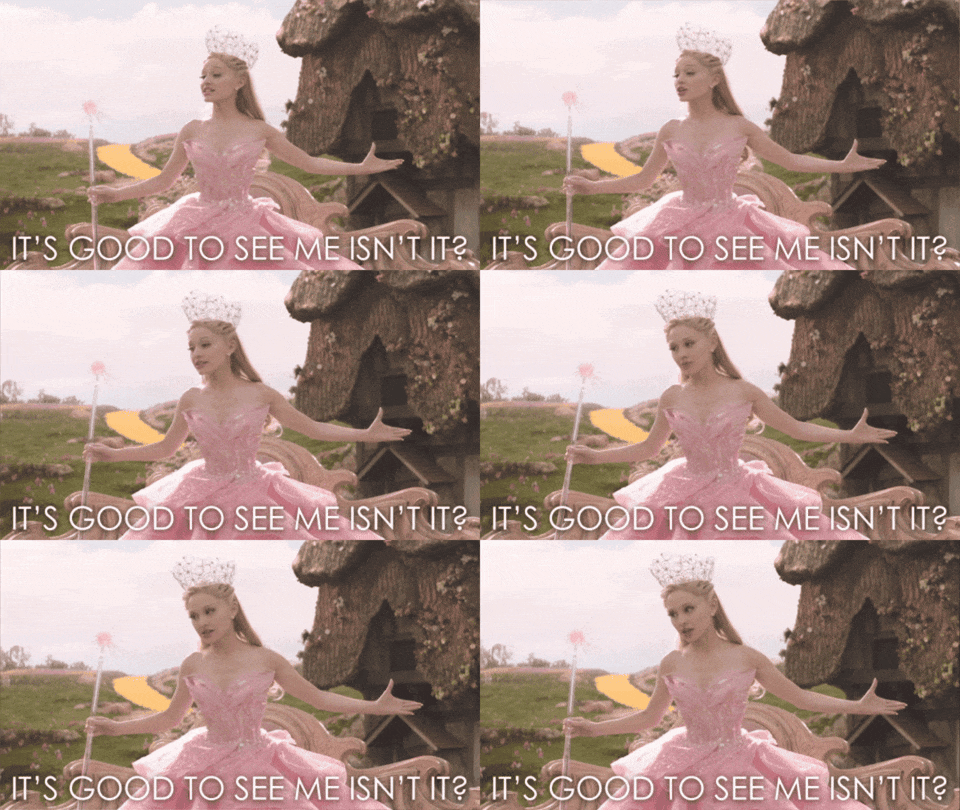
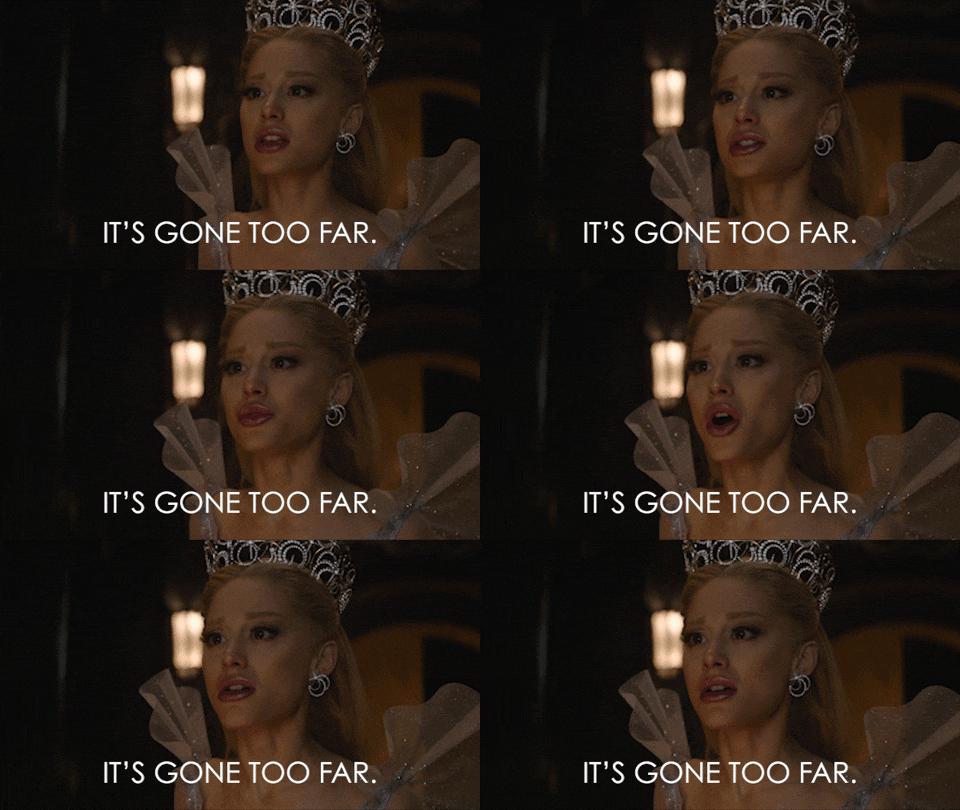
Suddenly, anyone with a smart phone is a personal dietitian, therapist, and a savior to the stars, especially when it comes to the cast of Wicked. Unqualified strangers are diagnosing the bodies they don’t know, for problems they can’t see, all in the name of “I'm worried.” We are forgetting that if there is mental illness at play, our public figures deserve the respect, empathy, and care that come with it.
We have confused parasocial panic for permission to advocate, judgment for “care,” and speculation for truth—and I, for one, have had enough.
So let’s do something radical: let me show you how to shut this down with actual good-faith debate.
No personal opinions, no anecdotal takes like “in my experience,” or “to me, it’s obvious." No derailing questions. Evidence must be specific, verifiable, credible, and relevant. Just receipts, reasoning, and the bare-minimum literacy required to participate in public discourse—founded in critical thinking meets good ol’ fashioned empathy. We’re gonna return logical fallacies on loop back to the original point, with grounded, sane replies you can use.
Consider this your cultural Grimmerie. A spellbook for surviving online and IRL. Choose your own adventure below. Follow the Yellow B*tch Road (lol*).
Walk with me here. LFG.
In a 2023 Vogue video, Ariana Grande shared that she's shed the filler, the tanner, and the coverups for a more paired-back, natural look. Where as before they were a diguise or way to hide her insecurities, now she's feeling more comfortable in her skin more than ever. What a beautiful and inspiring message is that?!
And yet the discomfort around on her looks that is also circulating:
"Well, gosh, why is she so damn yellow? She should really do something about that"—as if the color of her skin could be helped. Yes, really, I have actually seen this. I mean—damned if she does, damned if she doesn't!
It’s me. Hi. I’m the Yellow B*tch. It’s me.
(*FTR, one may co-opt such language if it indeed also applies to oneself...particularly if, like Grande and me, you find yourself without...a couple coats of self-tanner 🙃.)
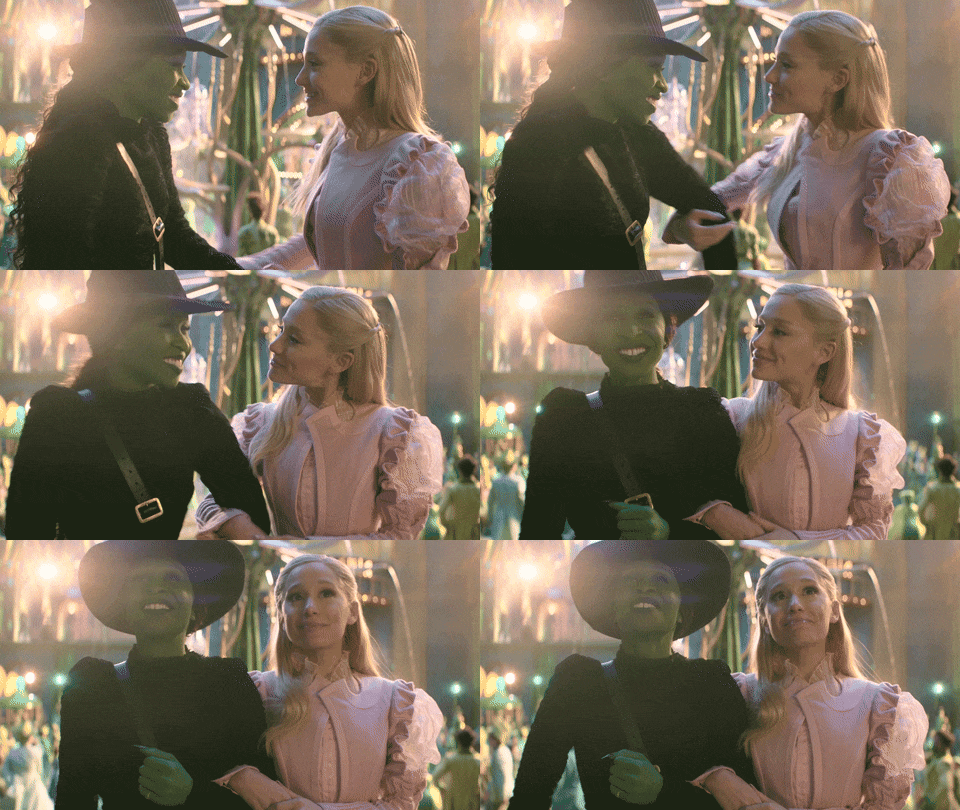
C'MON! LET'S GO, GREENIE!
"I'm not judging them, I'm concerned! Can't you see something is wrong?!"
I know, I know. I say, "Don't judge," and you hear:
"Let's normalize this!"
"Don't talk about it!"
"Let's pretend we don't have eyes."
No. You are allowed to care. You are allowed to look.
But there is a key difference between observation and judgment.
Most people don't wake up and decide, "I'm going to body police today!" They think they're worried. They think their intentions are good. They believe concern exempts them from judgment.
Concern, however, doesn't stop being judgment—harmful judgment at that—just because the intention is good.
Noticing change is one thing. Assigning meaning, motive, diagnosis, or morality to someone else's body is another. The moment we go from "I see" to "I know," we've crossed from observation into judgment.
The ethical question isn't whether you care: it's what you think caring entitles you to do.
condemnation | ˌkändemˈnāSHən |
noun
1 the expression of very strong disapproval; censure: there was strong international condemnation of the attack. 2 the action of condemning someone to a punishment; sentencing.
Even those with good intentions think they’re using the noble definition of judgment, which is judgment in the ~virtuous~ sense, when discernment comes informed and with care. Tough pill to swallow for some, but until you know the full story and the truth of what is going on, what you are really doing is ritualized, normalized gossip. Often it's condemnation under the guise of civic duty, which is just judgment, in the, uh, well, very punitive sense.
Judgment isn’t inherently wrong. We make judgments every day for survival. Who to trust. What to wear. What to eat... Judgment is part of how we navigate reality. Judging is human. But to confuse discernment ("I notice difference") with diagnosis ("I notice difference and know why") is fantasy.
Concern is a feeling. Publishing and speaking commentary are actions. And actions deserve ethical scrutiny, especially regarding sensitive topics like mental health.
What are you accomplishing exactly? Oh, okay, bringing attention to eating disorders? I see... But why then do you have to use specific people alive today as case study to do this? (You don't, but more on this below.)
punitive | ˈpyo͞onədiv |
adjective
inflicting or intended as punishment: he called for punitive measures against the Eastern bloc.
(When it comes to reading comprehension, it is always okay to not know every word presented to you. I certainly don't. Stay curious. Open a dictionary. Come back to these words.)
The moment you assign meaning, motive, diagnosis, or morality to someone else’s body—to somebody else's identity —you’ve left discernment and entered judgment, even if well-intentioned. Concern becomes a justification for control. That’s why this debate loops: folks are so Madonna-hung-up on proving they’re not judging that the debate collapses into intent defense instead of examining ethical impact. Intent matters, but impact does too. Policing bodies while claiming it's not policing if the intentions are good is still policing bodies.
Consider this simple notion: the very act of publishing commentary about specific people, when it assigns meaning or motive, in and of itself, is body-surveilling and policing.
Because the road to hell is paved with what? Right: good intentions.
And care is about impact. Not about intent. The impact of this dialogue is harmful.
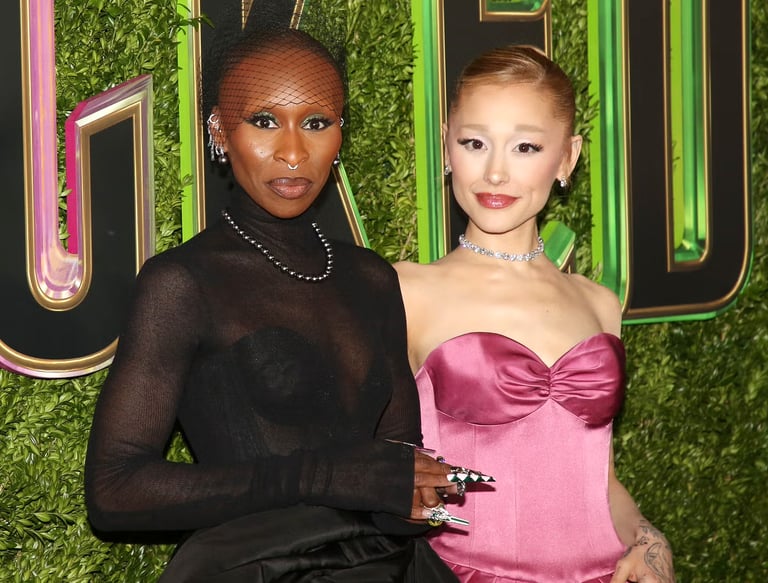
Straw Man Fiyero-Fallacy🌾
noun
a straw man fallacy is an intentionally misrepresented proposition that is set up because it is easier to defeat than an opponent's real argument: her familiar procedure of creating a straw man by exaggerating their approach | [as modifier]: you are constructing a straw man argument.
"I'm not judging, I care. There's a difference."
judgment | ˈjəjmənt | (also judgement)
noun
the ability to make considered decisions or come to sensible conclusions: an error of judgment | that is not, in my judgment, the end of the matter.
an opinion or conclusion: they make subjective judgments about children's skills.
a decision of a court or judge: the Supreme Court upheld the judgment of the Alberta Court of Appeal.
a misfortune or calamity viewed as a divine punishment: the crash had been a judgment on the parents for wickedness.
Exactly. That is the entire problem.
Literally, "We cannot tell who is healthy by looking at them," says Rebecca Boswell, PhD, a supervising psychologist at the Princeton Center for Eating Disorders at Penn Medicine Princeton Health. And a diagnosis like an eating disorder cannot be given on sight alone, especially when one is not the person in question's medical provider.
The dictionary gives us multiple definitions of judgment, and yes, one of them is “the ability to make sensible conclusions.” But here’s the part no one likes: a conclusion is only sensible if it is informed.
Without information, a conclusion isn't insight; it's projection and gossip.
Without consent and when it asks a body to change, projection functions not as care but as control.
And when control is disguised as concern, it's not protection; it's policing.
Suspicion and speculation become confused with expertise, optics for evidence, and opinion and feeling for fact.
Yes, judgment can mean “sensible conclusions,” but only when you have access to facts, context, and consent. Otherwise, concern without consent is surveillance, not empathy. It’s assumption dressed as morality. And assumption weaponized as morality is not discernment; it’s shaming. It's dogma. It’s the 2025 echo of burning witches, except now, instead of tomatoes at the stocks, it's words hidden behind glass screens.
That’s exactly what’s happening when we comment on a stranger's body: we treat their body as proof of a moral failure we have taken the liberty of assigning to them when we are not entitled to do so.
"They're thin..." 👀👀
gossip | ˈɡäsəp |
noun: casual or unconstrained conversation or reports about other people, typically involving details that are not confirmed as being true: he became the subject of much local gossip.
• mainly derogatory: a person who likes talking about other people's private lives.verb (gossips, gossiping | ˈɡäsəpiNG |, gossiped | ˈɡäsəpt |) [no object] engage in gossip: they would start gossiping about her as soon as she left.
projection | prəˈjekSHən |
noun
the presentation or promotion of someone or something in a particular way: the legal profession's projection of an image of altruism.
a mental image viewed as reality: monsters can be understood as mental projections of mankind's fears.
the unconscious transfer of one's own desires or emotions to another person: we protect the self by a number of defense mechanisms, including repression and projection.
derogatory | dəˈräɡəˌtôrē |
adjective
showing a critical or disrespectful attitude: she is always making derogatory remarks | it has become a derogatory term now | he said the content was derogatory in nature.
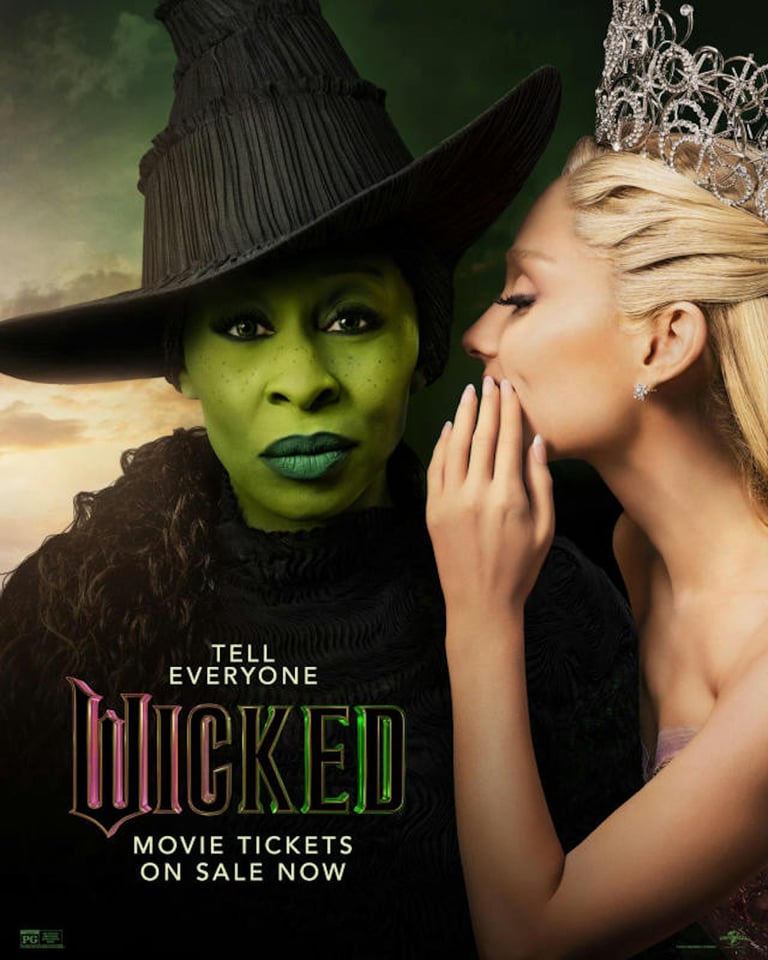
Observation.
"Something is very wrong."
"TOO thin."
Evaluation and judgement.
"They have eating disorders."
Speculation.
Diagnosis.
"But it's so OBVIOUS! Just look at them!"
Again, health isn’t visual. Health is contextual. What might be "healthy" or "malnourished" for you is between you and your medical providers, and between them and theirs. Your assumptions aren't expertise. And no one owes us their medical information. No, not even celebrities.
But please, if you can diagnose a stranger on sight alone, call your local hospital. You’re a medical miracle!
Besides: what is pointing out that a stranger is very thin accomplishing exactly, even if you're right about what is happening behind closed doors? Protecting ~your community~ and young women? But what does showing young women that their bodies will be singled out and scrutinized should they deviate from the norm, however you define that, do? I do not believe the reasoning is all too altruistic (but more on that below).
And such behavior can say more about you and your relationship to body image and mental health than it does about the stranger you are commenting on.
“Oh, c'mon! They look so unhealthy, you can SEE it! You can SEE the malnutrition!”
“I have a right to comment if someone looks unhealthy.”
Well, no. Actually, you don't. That's policing bodies. What grants you, as a spectator, the authority to act on personal feelings as fact? What societal system taught you that?
Besides, this isn’t actually about whether someone looks healthy or not. It’s about making assumptions about a stranger’s body from a stance of moral exceptionalism, treating those assumptions as fact, and then owning those assumptions as your duty to act on. Don't.
You can critique culture without deputizing yourself as its enforcer. We absolutely have to talk about diet culture, aesthetic shifts, the mounting pressures of performance and social media, but we do not get to assign motive, diagnose, or justify intrusion as 'saving lives.'
"There is a dangerous trend right now for drastic weight loss. We need to speak up about bodies that the media is showing the public right now!”
Hi. Slow down. Breathe. Who said these women are campaigning for weight loss? It is true that there is a trend toward thinness (more below), but there is no factual evidence that any of these women are pushing their agendas or ideas around weight. Not veganism, not weight loss pills, plastic surgery, or GLP-1's like other celebrities. (Actually, Grande in particular has shared how as a result of being more comfortable in her own skin, she has shed her defenses like dermal filler, fake tan, and heavier makeup. How inspiring is that?) What is demonstrably being promoted is their work. Spreading falsehoods about a celebrity, or even an everyday person, is a textbook example of defamation.
And if there was something going on behind the curtain, comments like these can "perpetuate and reinforce the negative thoughts [people] are already thinking about themselves," says Stephanie Auriemma, LMFT, clinical director at Rock Recovery. "It could lead to or worsen other mental health conditions, including eating disorders, anxiety, and depression."


"Puh-lease! They are body-checking. They are FLAUNTING their thinness. It's disgusting."
There is no definitive proof that any of these celebrities are body-checking, which is the compulsive monitoring of one's thinness. In this context, naysayers are accusing these celebrities of "flaunting" their thinness.
But having a public body does not inherently mean these celebrities are flaunting or promoting their thinness simply by them being on display, in films or on red carpets, in form-fitting clothing, or even loose clothing that hides their figures.
Eating disorders, disordered eating, body-checking—if that is even what is going on here—are symptoms of a mental health disease that is egosyntonic, not an example of how they are morally corrupt and evil. Egosyntonic means that those with a mental health disease like EDs might not view their weight or appearance as necessarily being a problem or concern. To them, disordered eating is normal, even a source of control, often from other stressors. See this peer-reviewed article by PubMed titled, "The Egosyntonic Nature of Anorexia."
It is not a moral failing to have an eating disorder/disordered eating, to be thin or large, or to be a public figure.
But it might be a moral failing to project as such. Are we really still this Puritanical as a society?
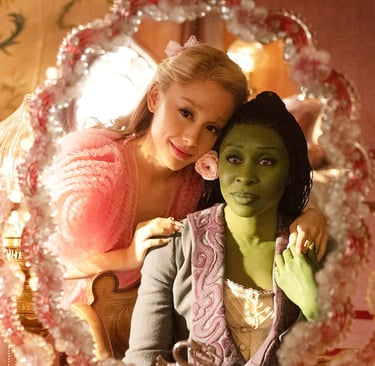

“But we have to protect the children!"
Children will be exposed to confusing things from the media for the rest of their lives. Things that challenge your values as a family.
BUT:
If they are learning that you will crucify them should their minds or bodies deviate from how you deem acceptable—that they will not be safe from judgment from others AND their own blood, the people who they should trust unconditionally to protect them—then they will look for answers elsewhere.
That might be the internet. That might be from friends, or those of lesser principles. That might even mean celebrities.
It's YOUR job and only yours to be that safe space.
Kids aren't necessarily sponges; they can be discerning, too. You can teach them to be, if you will first learn for yourself.
It's time to stop blaming celebrities for raising our kids and time to start raising them ourselves.
With compassion. With safety. Without judgment. By instilling self-love and a discerning mind, and by modeling unconditional love.


Sighhhh...
Why is it that "protect the children" is a moral shield for some of the most egregious propaganda and BS?
Kids don’t develop eating disorders simply by looking at strangers’ thin bodies. They might learn instead from the messages surrounding those bodies—especially the messages adults they look up to model. When adults judge bodies, they teach children that their bodies are report cards. That bodies are open for public critique, too. This conditioned, ingrained fear is one of the ways eating disorders can take root.
Teach them to love themselves instead! Teach them to question the messaging they're sold. Teach them systems, critical reasoning, and media literacy. Teach them that there is always an agenda behind what we see. That images and statistics are often doctored to fit an agenda. That those in power benefit from controlling the media we consume. That we will see things that will make us uncomfortable, including bodies that appear different, even alarming. Teach them compassion and empathy, and how to put themselves in other people's shoes.
But this? This is teaching them shame, and that their worth is tied directly to how we look and what people think about us based solely on our looks. And, parents, most importantly:
Teach them that you will be there when your children have questions.
Yes, it's true: celebrities do have influence, and as such, they do have a sort of responsibility to the public. But that responsibility only goes so far.
We as consumers have a responsibility, too.
It is not our job, however, to point and ridicule, make public think pieces, or the like. Influence does not inherently grant consent for public diagnosis and consumption. That’s the pattern I’m naming here. And let's not confuse influencing with being role models, which celebrities are not. If they were shlocking weight loss pills and displaying plastic-surgeried bodies, that would be different.
What's often really happening here is the displacement of discomfort. You feel something (fear, jealousy, anxiety about your own body), you slap it on a stranger, and suddenly their body becomes the problem you’re “concerned” about instead of the feeling you don’t want to sit with. We project onto them what we refuse to face in ourselves.
If your “observation” comes packaged with a story about what’s wrong with someone and what they should do about it—say, disappear from the public eye—then that’s not concern. That’s control. If you feel an urgent need to comment on a stranger’s body, that’s your cue about you, not them.
Avoidance always looks righteous when the target is someone who can't answer back.
“Celebrities are public figures. They're influencers! They have to be held accountable."
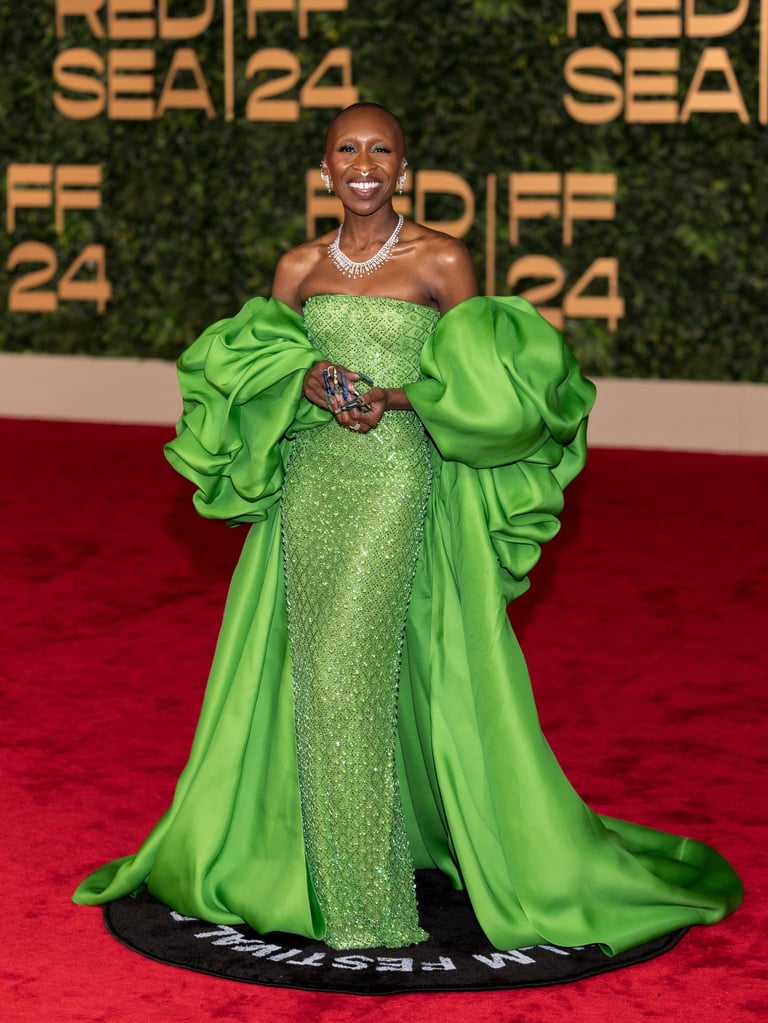
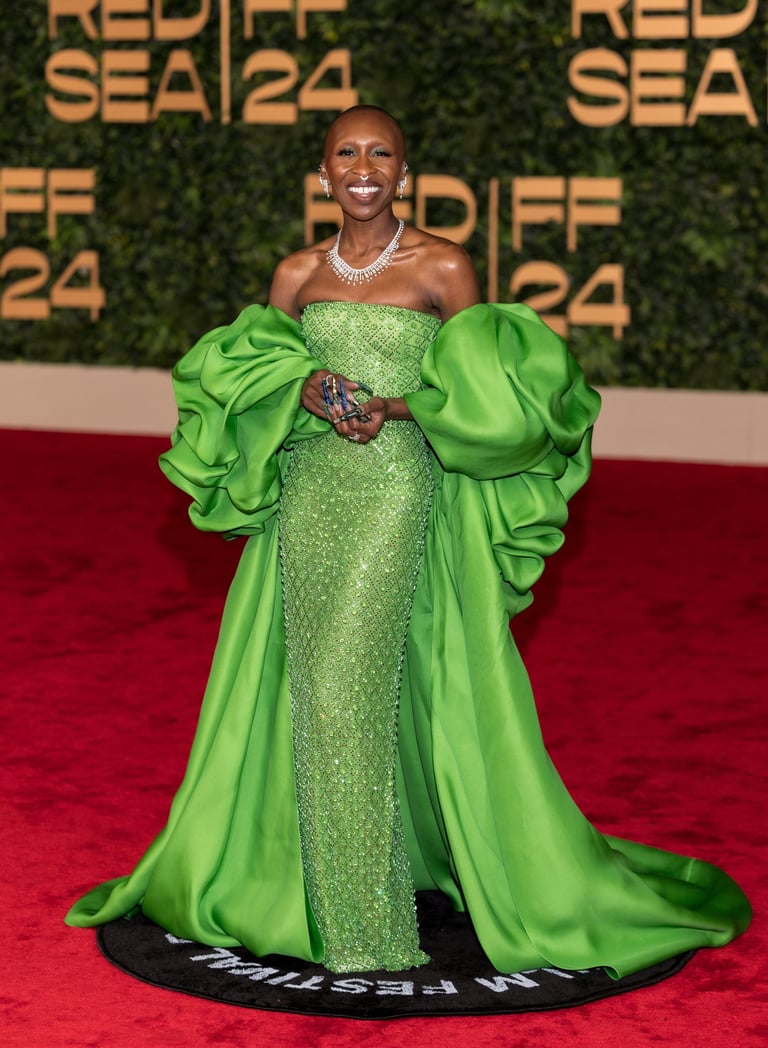
🫧 Ariana Grande has already addressed rumours multiple times, asking people to stop commenting on her body when their assumptions are wrong. This does not mean she is fragile or coddled, only deserving of the human minimum respect of boundaries. You cannot know what someone is going through from how they might appear to you in that moment—all of which she should never have to explain, because she does not owe strangers her private medical history. Below is a video from 2023:
The Girl in the Bubble
"'Healthiest she’s ever been?' That’s a cry for help! Signed, someone who’s actually had an ED.”
But you simply do not know that. Sorry, not sorry! You’re interpreting someone’s self-report as pathology from two or three years ago because it threatens your projection. That’s not concern, that’s surveillance and stone-cold judgment. If nothing has ever been verified by a person or their medical providers, your armchair diagnosis is unethical until they do.
Say it was an ED. What do you aim to accomplish by shaming this person?
And FTR, she never said, "This is the healthiest she's ever been." That is simply not what's in that video. Grande has said the body others are comparing her to, and what others might deem to be healthy, was actually not her healthiest. Let's not get carried away now.
"I remember that Tumblr. It was coded.”
That Tumblr is a rumor that has never been authenticated as her own. Even if it were hers, disordered expression during illness through body checking or otherwise—especially as a teenager in early Tumblr culture—is not the same as promoting harm today. Using it now to police her body only reproduces the problem people claim to oppose. And you're proving her exact point: knowing rumors about someone is not knowing anything about them. If someone tells you a boundary—‘please be gentle with me and don't comment on my body’—and your response is ‘but I remember, so I get to,’ that’s not awareness, that’s entitlement. If you really loved her, respect would be easy.
Can you recall a time when someone made passing assumptions about you that were false? Or even, say, called you out about something that was private? Held something against you from your past as if you were not allowed to make mistakes and grow? Did it feel good? No? Then why would you want anybody else to feel that way? People deserve the same dignity that you do, to tell their own stories, in their own time.

"YOU might be too young to remember Karen Carpenter, but I do.
Her name's being thrown around a lot in this conversation (and, while the comparison isn't exactly appropriate, fine. Let's go there: I'm a Millennial who grew up on The Carpenters. Yeah, my mother raised me right! Rainy days and Mondays happen to be my favorite days, thank you very much!)
Let me ask you this: Would public commentary have saved Karen Carpenter's life?
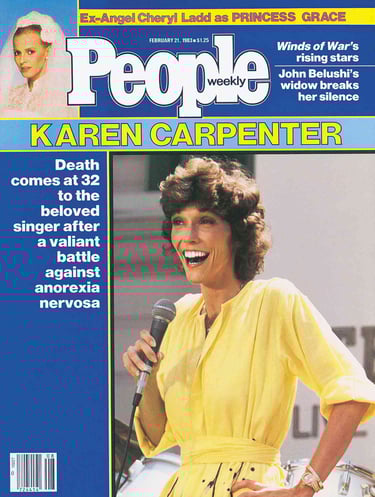
The images in this post are shown as examples of media framing, not as evidence of health or meaning. Because the cultural script is loud here. She "fought," she "lost," the disease "won." Hands washed, case closed, all clean and tidy when the media is complicit. That's the lie. This narrative is the crux of faux compassion I aim to reveal and dismantle. "A Sweet Surface Hid a Troubled Soul" / People, February 1983.
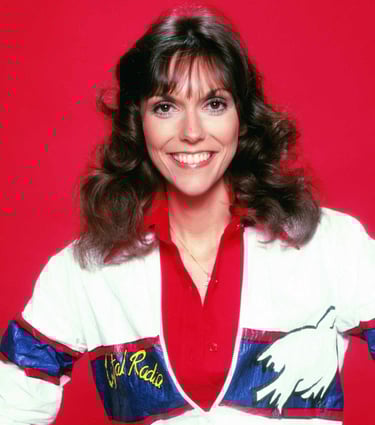
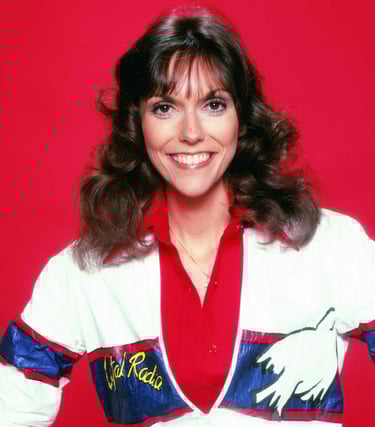
The answer is no. It would not have.
Media framing turned Karen Carpenter into a cautionary tale, individualizing her illness into a personal failure while letting the rest of us—media, medicine, family—off the hook too easily. It erases the systems that built the cage, while giving ourselves a pat on the back for noticing the bars. It treats her like a human zoo. It's surveillance over dignity, where her body is reduced to a spectacle even after her death. That's the same voyeurism that killed her—and mind you, the primary cause of death of Karen Carpenter was heart complications from ipecac abuse while in treatment, as a result of her anorexia nervosa.
It was attention without care—attention that sent the message that a woman's body was somehow public property. That her body wasn't her own. Her brother begged interviewers to stop asking about her weight. Doctors didn't even have a framework for what was killing her.
And we as a society consumed Karen Carpenter like a public project, not a private, real, human being.
Shame gagged her. Silence finished the job. And 'anorexia nervosa' entered the public consciousness.
So if your takeaway from Karen Carpenter's life is "we need to comment more on thin bodies," then you didn’t integrate the lesson. You're just stoking the fires of a system that's long been burning. And none of this changes that we still don't even know if anyone in Wicked is dealing with an ED for a fact.
Are you preventing another Karen Carpenter, or just inventing one? Because prevention, it doesn't look like speculation: it looks like boundaries, restraint, and refusing to turn people into warnings.
Oh, I'm sorry, I didn't realize I was speaking to Ariana's Personal-Bestie Brigade™! Are you and Cynthia buddy-buddy now, too?!
If they needed you, they would have a name for you, a phone number for you, and a consent and release form from you with your signature on it. See how silly it sounds? Have you ever stopped to consider what imagined special permission you believe grants you the right to say this?
Put down the misplaced hero complex. Direct it inward instead. Towards those people you know in your life, in your orbit, where actual community exists. Consider this: those same people in your immediate circles, they're only going to learn that their bodies will be unsafe from being surveilled by you. Shame pushes EDs into the shadows, not prevents them. And if it weren't an ED, what did you accomplish by shaming? (Consider, too, that there is a key difference missed between commenting on a celebrity you don't know out of "concern" and telling someone you're close to, whom you trust and they trust you, that you are concerned for them.)
“What if they need us? What if they need help but don’t realize it? All the signs are there."
“We just want to see them healthy and thriving.”
Hate to burst your bubble, but that's ownership. You say “we want” as if these bodies belong to you. Caring doesn’t require ownership. Concern isn’t consent, and obsession isn't care. No one owes you a BMI update, FFS!
It’s beautiful that you care. Really. I'm not telling you not to, but we don’t know these people personally. And there is no "we" to collectivize around. These relationships create the illusion of intimacy, belonging, and in-group/out-group politics. The illusion of intimacy creates parasocial entitlement. Entitlement creates policing.
Allow me to introduce you to Cambridge Dictionary's 2025 Word of the Year: "parasocial" relationship:

parasocial | ˌperəˈsōSHəl |
adjective
denoting a relationship characterized by a one-sided, unreciprocated sense of intimacy felt by a fan or follower for a well-known or prominent figure (typically a media celebrity), in which the fan or follower comes to feel that they know the celebrity as a friend: a lot of parasocial relationships tend to give fans the feeling of ownership over the creator | people form parasocial bonds with characters that they see on TV.
Existing in a body isn’t promotion, and neither is pointing out a lack of ethics. NO ONE is justifying or enabling EDs or extreme anything. Stop it. What is being promoted in our culture is harmful gossip and scrutiny. These are regurgitated scripts on moral crusading, not conversations about health.
"They are promoting extreme thinness and eating disorders— and so are you! You are enabling them!”
No, we don't. Visibility does not equal consent or permission to act. Attention is not an invitation to dissect and make a public figure (or any stranger, for that matter) into a case study. What is your solution exactly, by the way? That they disappear until they've changed for your comfort? That they gain weight? See how that looks and sounds? Because if your "care" requires a stranger’s body to change, it’s not concern; it’s control. And we cannot own or control people, even famous ones. They do not live to serve us; they are not even elected officials.
In our society, even a small shift above or below what’s deemed “acceptable” weight can trigger a cascade of prejudice, from subtle social rejection to institutional discrimination. People who “gain a skosh” are often penalized as if they had committed a moral failure, rather than being recognized as humans navigating complex bodies. This discourse is dog-piling sizeism repackaged in a moralistic costume. This is about who gets to be visible, who gets to control the narrative of bodies that don’t belong to them, and who gets punished for existing outside the accepted script.
These witches are your scapegoats.
“We have a right to talk about it. We have a duty to call it out!"
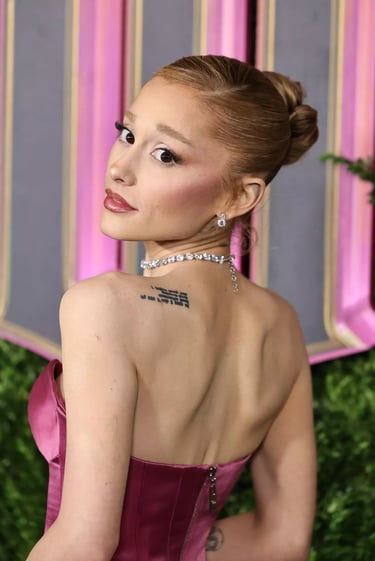
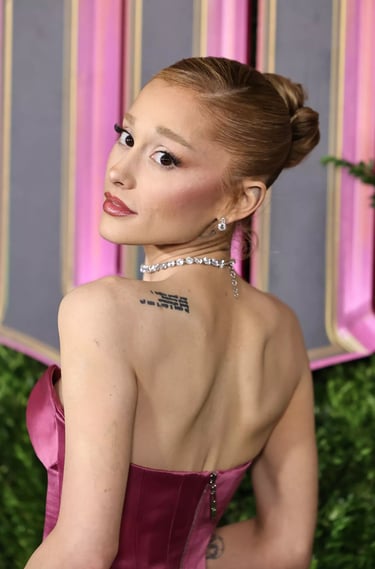
Compulsion isn’t conscience. Compassion is cheaper. Silence is free. Not every thought deserves an audience (and I can assure you, most thoughts don’t). Let’s all mind our business about strangers' bodies, shall we?
“But we have to say something!"
You can have opinions all you like, but opinions are not facts, and opinion without accountability is just ego. This is not a "my truth vs. your truth" thing.
Besides. My position is expert-backed. See sources. 🤓
“Well, that's your opinion. This is mine."
I owe it to NO ONE to disclose my medical history to prove my validity, ever—especially not in this discourse. Not a soul.
Neither do these actors nor anyone else you encounter. That's the point! Everyone has a right to bodily privacy, and we are not owed access. Everybody has the right to tell their story on their own time.
“Do you even have an eating disorder? You should be ashamed for inserting yourself."

Did we not just watch the same five-hour spectacle? Live singing and dancing? Have you seen live theatre? Honey, these are athletes! This is the Olympics of entertainment! A once-in-a-lifetime role!
I understand that capacity for high-performance cannot determine health—but in that same breath, it cannot justify public speculation. No, high stamina/endurance, a full work schedule, these aren’t necessarily hallmarks of health or illness.
That said, we have to trust that strangers can handle their own. Projecting death onto these actors is absurd when we don’t have all the information and couldn't possibly know that. No amount of online/public commentary is going to change that this parasocial obsession, thinking we are entitled to step in and “help." Is so harmful for all involved.
And so damn weird.
“But they dropped weight so rapidly. That's so dangerous. They look like they're at death's door!"


👠 Judy Garland was drugged by the studio system that owned her body, and it was deplorable. These actors are not. If your concern looks like claiming ownership over someone else, or asking them to change—or comparing them to other people, real people, not just bodies!—you’re not stopping the problem, you’re perpetuating it.
We can talk about how our media lifts up thin bodies. About who in power makes these decisions that impact so many, and why. But we can do that without highlighting specific people as case studies.
Instead, talk about people who have elected to discuss their relationships to diet culture.
Look at Hilary Duff and her journey through disordered eating. 2000s diet culture and the pressure she felt to conform to Hollywood’s beauty standards got her good. Years later, she has spoken about reaching a more peaceful relationship with her body. Unlike speculation about a stranger’s health, this is a story Duff has chosen to tell herself.
“Then they're overworked. Something is seriously wrong on that set. Hollywood has a history of this! They've done it before, and they'll do it again. Just look at the original The Wizard of Oz and Judy Garland."


🧠🧑🌾🌾 Telling me to shut up, reducing who may speak based on their body, reproduces the logic of control this critique claims to oppose. You don’t get to bully bodies and then gatekeep who’s allowed to critique the bullying.
And recognizing bullying doesn't require shared identity. Just comprehension skills. Which I have.
But since we're here: if your feminism only protects the bodies you personally identify with, that’s not advocacy; that’s tribalism.
“Men shouldn’t comment on women’s bodies. 🤮 Sit down and shut up!"
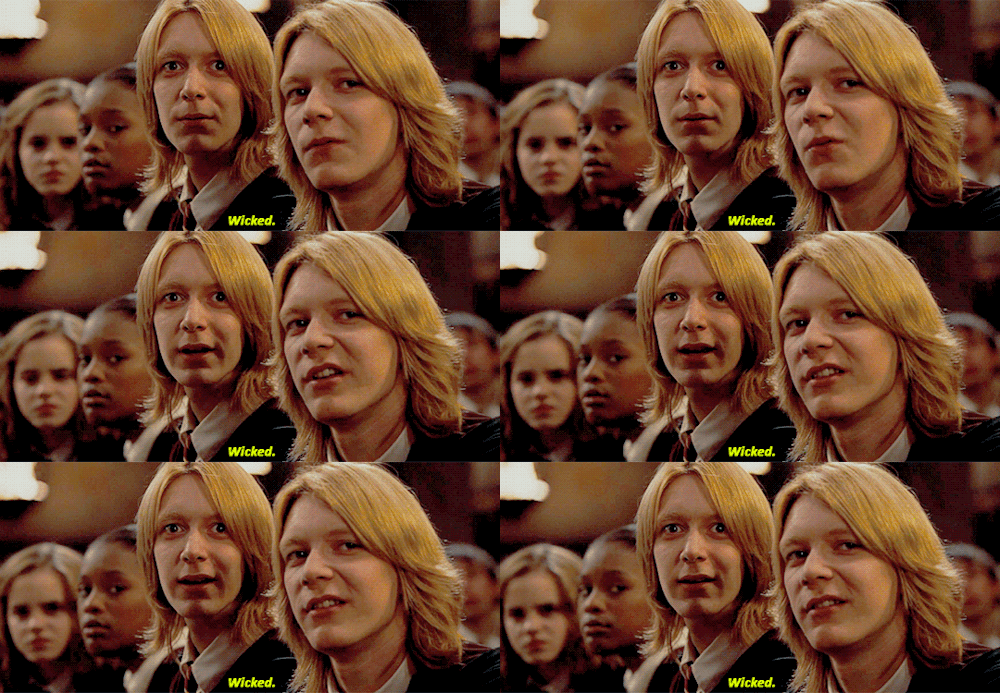
🛑 Um, ex-CUSE you? ✋ You think body shaming is exclusive to women? EHHH! Wrong.
Body policing is not gender-exclusive. People aren’t just critiquing the women: Jonathan Bailey’s body is lumped into this discourse, too, as if Jon Chu’s set is some kind of covert fitness-factory that seems to churn out problematic physiques.
The difference, however, is that men are often rewarded for abs while women are punished for ribs. According to one report, male actors often endure “drastic, unhealthy diets and excessive workout regimens” to meet role demands, but such extreme body modification is not always flagged with concern or public outcry, even when it can harm them.
Some cultural commentary even describes a “steadily rising demand for thinner, paler, more androgynous male bodies” in entertainment — akin to a resurgent “heroin chic” ideal for women. See how there's open discussion on harmful practices, as owned by these actors in the link attached? How these practices become anecdotes, not alarms? How that shame is curbed? How it's framed as transparency, professionalism, even craft? When men subject themselves to extreme aesthetic demands, it becomes "training." When women do, it becomes "evidence."
Not because men aren't harmed—we absolutely are—but because the interpretation of the same behavior reveals the hierarchy.
Men's bodies = achievement.
Women's bodies = accountability—and a commodity to control.
Same machine, different output. And what do we call the societal system that polices women and rewards men for the same behaviors?
“This is about women, not men. Stay out of it, you misogynistic pig!" (The irony writes itself.)
Lol, no, it's not. If the punchline is punching down about someone else’s health, then it’s not humor. If trolls were truly worried about eating disorders, or their concern came from a "good place," they would stop performing the exact behaviors that research ties to EDs.
And performative ‘concern’ about celebrity bodies is itself not neutral; it's a vector of harm. It normalizes surveillance, reinforces beauty hegemony, and gives strangers a false sense of moral authority over bodies they don't personally know at all. This is bullying. SYBAU :)
🍔“Telling them to 'eat a sandwich' is just a joke. Relax."
bully | ˈbo͝olē |
noun (plural bullies) a person who habitually seeks to harm or intimidate those whom they perceive as vulnerable: he is a ranting, domineering bully.
verb (bullies, bullying, bullied) [with object] seek to harm, intimidate, or coerce (someone perceived as vulnerable): her 11- year-old son has been constantly bullied at school | a local man was bullied into helping them.
And you're ridiculous. I'm not 'being emotional,' but while we’re at it, their feelings matter because people matter. Take accountability for yourself. The Golden Rule isn't a suggestion; it's the baseline for sharing space in a society: treat others as you would want to be treated.
"But I needed to hear it when I had an ED! People told me to get help all the time."
hegemony | həˈjemənē, ˈhejəˌmōnē |
noun
leadership or dominance, especially by one country or social group over others: Germany was united under Prussian hegemony after 1871.
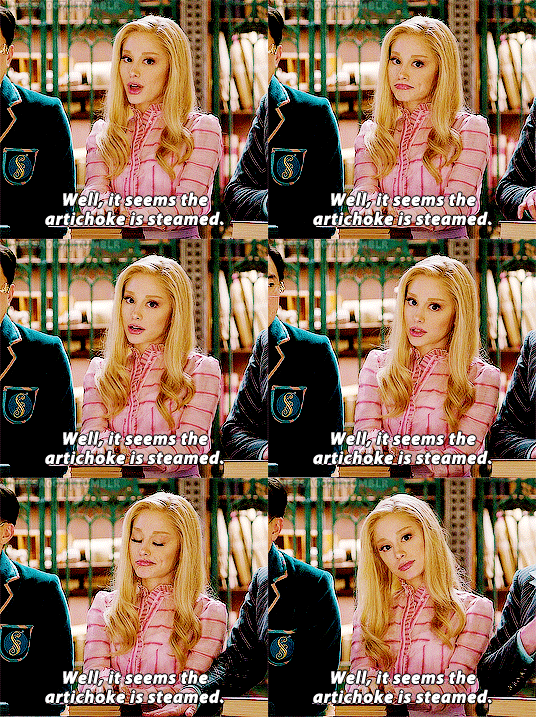
“You're over-emotional."
I call bullshit, you did NOT enjoy being bullied into treatment while you were journeying through a mental health disease. I'm not denying that there might be mental health at play, even EDs or disordered eating, but nothing has yet been substantiated to give weight to that theory. If they did have EDs, and if commenting on strangers' bodies helped, we'd all be cured by comments on social media. Individual recovery experiences do not justify public surveillance of other people's bodies.
No, it's not like Britney Spears at all, and again, please stop comparing human beings like case studies. This is not the same whatsoever, but since we're here, how we crucify celebrities like Spears and invoke past harm for Justin-fication is a different symptom of the same exact machine we're addressing. Unless someone at Wicked is being held captive against their will, kindly unclench. And on this, the day of our Lordney and Savior, the queen's birth, December the Secondeth? For shame and how dare you. Leave Britney alone already.
Intervention without consent is only ethical when paired with responsibility. Without it, it's entitlement. Do you have credentials? A relationship to the person IRL? Access to their medical information? Are you going to assume accountability and risk for the emotional, legal, and ethical consequences of your armchair diagnosis? No? Then you don't get to play doctor. Your commentary cannot be medical authority.
Medical providers don’t get to ~just say things.~ Doctors operate under legal, ethical, and personal liability. If a doctor makes a diagnosis, they assume responsibility for that person’s care, treatment, privacy, and outcome. That’s what consent is. That’s what accountability is.
You? On Instagram at 3 AM? Zero credentials. Zero accountability. Zero context. Zero consent. But somehow: a diagnosis.
If you can’t diagnose, can’t treat, can’t follow up, can’t be sued for malpractice, can't be held liable… then you don't get to go there. Period. You’re a fan; you’re not a helper. Don't become an intruder. Don't become a trespasser. At that point, the commentary exceeds ethics.
“It’s just like Britney Spears. We failed others before. We'll come to their rescue again!”
🫖Consuming investigative content does not confer authority to speculate on someone's health or body, but if you want to see how far the rabbit hole goes, independent digital watchdog BJ Investigates was instrumental in the #FreeBritney Movement.
BJ is a former lawyer gone legal commentator offering investigative journalistic insight. Britney's former manager even hired BJ's law firm in hopes of silencing her (allegedly/IMO).
Do give her videos a watch because with all the tea she's pouring, frankly, I'm not sure how our girl BJ is still alive to tell the tale.
No. Absolutely not, how dare you. This is completely inappropriate. It's crossing the line a few too many.
“They look like Holocaust survivors" (yes, people are actually saying this)
Ah, and therein lies what is maybe the most flawed illogic of all...
If it's true that someone like Ariana Grande or Cynthia Erivo are ill—as you claim to be "~so obvious~"—and if these people are as influential as you say, then to say you don't care if they are harmed means that you don't care if they remain ill.
And if you don't care whether they remain ill, then you couldn't possibly care if they continue to influence other people while ill.
What kind of influence do you think a famous person struggling with mental illness—which is, again, not a moral failing—will continue to have if online scrutiny makes recovery harder or contributes to their distress? Right... So who are you actually serving: "other women?" "Girls." ~Society.~ Or just yourself?
The moment one person's dignity becomes expendable for the sake of "the greater good," you've stopped treating them as a human being and started treating them as a cautionary tale.
If you genuinely believe a person is ill, helping them recover would do far more to reduce harmful influence, wouldn't it, rather than rounding up your tribe or strangers to publicly analyze their body. And it's not just famous bodies at stake.
The same logic is used by everyday people to harm other everyday people, too. Gossips, like tabloids, think they're justified. It's the same logic (the same system!) that teaches us that other people's bodies are public property.
Care isn't the problem. Public speculation is.
If we're serious about helping people, shouldn't we treat them with the same dignity we'd want for ourselves? The dignity that they deserve? Don't we, as consumers, fans, and fellow human beings, have a responsibility to treat all people like equal, dignified members of society?
The answer is unequivocally yes.
“I don't care about Ariana Grande, or Cynthia Erivo, or anyone on that set. They're famous. Scrutiny comes with the territory. If it harms one but helps many, then it's worth it."


You can care. You can even worry.
And then you can stop.
"It's time to talk about this"—no, it's not. The opposite of denial isn't public commentary. It is simply beyond our business.
"I see. I care. I hope they are supported, and I wish them the best."
Let go and understand that other people's stories belong to them and them only.
“So then what can we do?"

🫀🤖Reading this "got your knickers in a twist?" Good. Discomfort is a compass. It means your conscience is working.
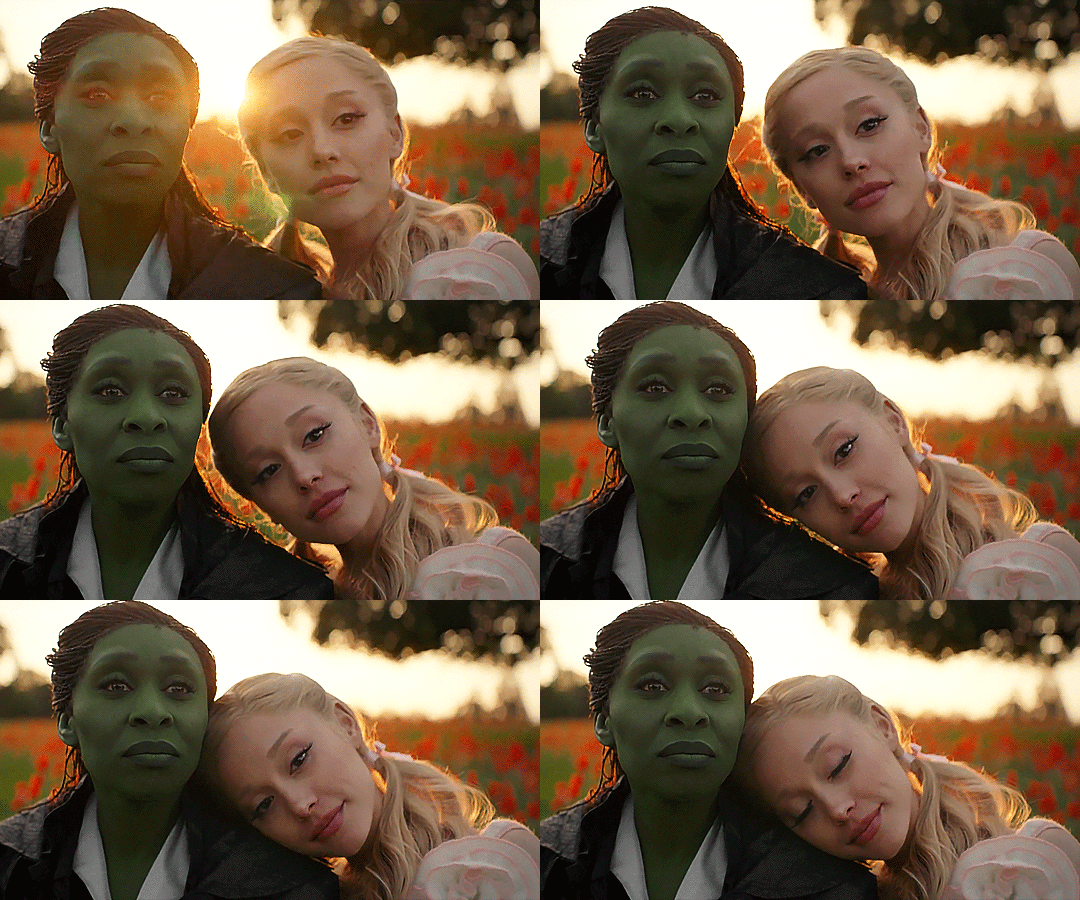
If Wicked taught us anything, it’s that monsters are made, not born. It's literally a political allegory about public perception, propaganda, and moral panic (AND LESBIAN LOVE). (I kid, I kid.) It's about a woman who looks different and is scorned for it, not because of who she is, but because someone told us she should be feared. Those with power write the narrative. Sounds familiar, doesn't it? Life imitates art.
The discourse around the cast’s bodies mirrors the plot almost 1:1. We’re not watching Wicked: we’re reenacting it. The story is a mirror, and right now it’s showing us how easily we fall for the same propaganda machine that turned Elphaba into a monster. Just like Elphaba, the actors are “wrong” because the public decided they were.
We love witches until they stop being pretty. We love women until they stop performing palatability for us. And we love “concern” because it lets us judge others without admitting we’re doing it. It's the flip side of the same misogynistic coin. A parabola of the same machine, except one is using veiled concern as its weapon. It's a ritualized cycle that rewards participation and absolves responsibility.
What is it about us as a society that we hoist our celebrities up just to crucify them in the end? What does it say about us that we build others up just to inevitably burn them at the stake as wicked witches?
When society conspires to make our hearts smaller, we don’t lose them like the Tin Man—we hand them over, piece by piece, to the crowd.
Rage Against the Machine
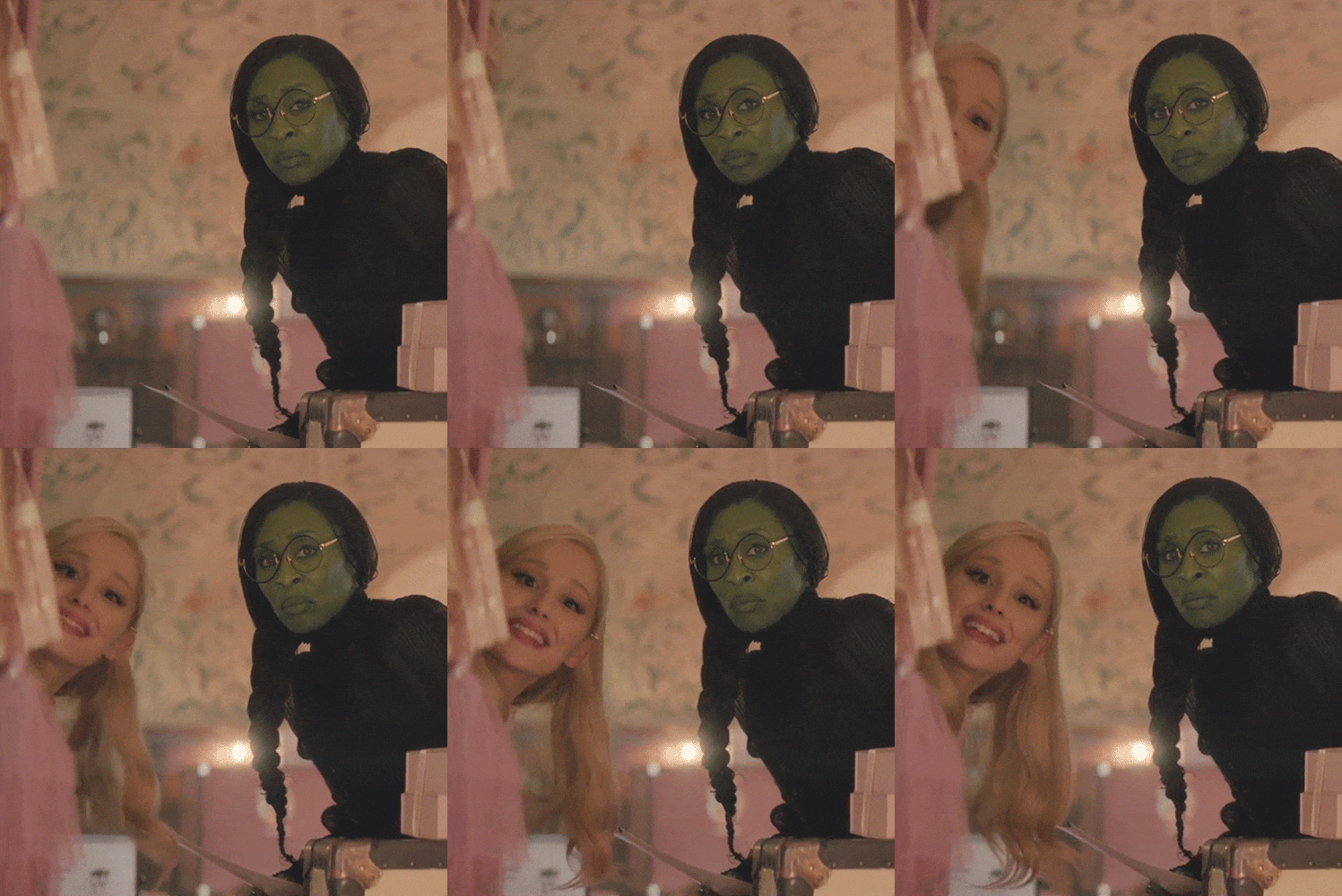
There there. Now that wasn't that b*tchy, now was it?
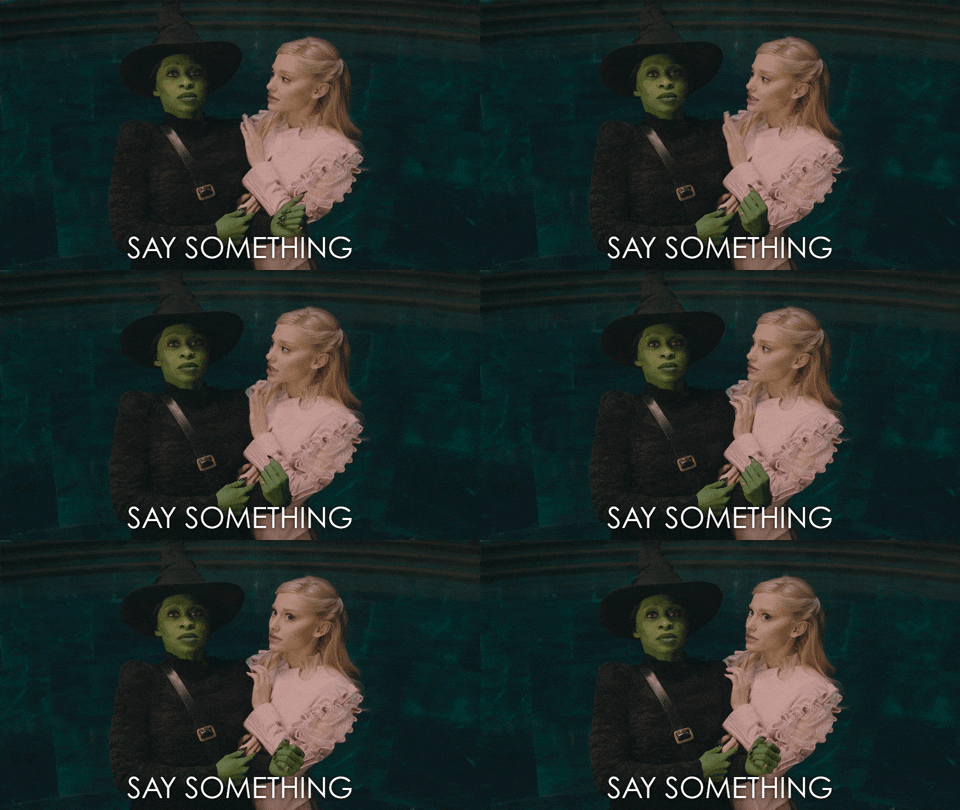
📱🗡️ Neither I nor anyone else owes strangers enrollment in their distortions of reality. I don’t owe softness when coming to the defense of people who aren’t being shown basic kindness—and neither do you. The sword isn’t hostile simply for being sharp. But judgmental words? When misused, words can become harmful weapons.
Even if the intention truly comes from care or concern, it is still judgment. Until they speak up, we have no idea what is going on in a person’s life. We are normalizing very hurtful gossip and calling it care. So let's not.
Let's stop normalizing this.
You don’t have to understand every body. Hell, you don’t even have to like every body. You just don’t get to legislate, diagnose, or moralize someone else’s.
I don't want us to keep on hurting others any further. I don’t want myself or anyone to be a martyr who proves a point by lighting themselves on fire, either. I just want us to stop lighting the pyre.
The Sword and the Phone
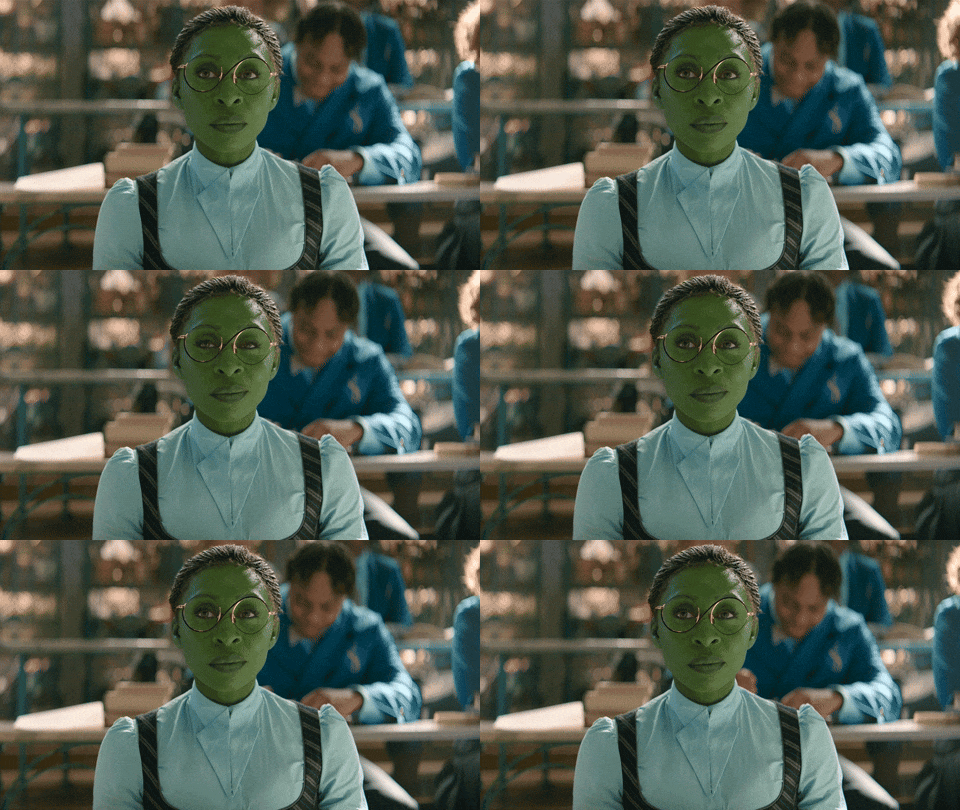
🫧 Like Wicked, there’s no hero at the end of this story, just those who inherit the narrative, if only they can be "for good." That’s Glinda’s entire arc. Wicked doesn’t give us justice; it gives us the cost of truth in a world that prefers the comfort of a beautiful lie. The comfort of the bubbles we live in. Systems don’t end because someone is “good” and someone else is "wicked." They end when we stop participating.
So in a world full of Glindas, be an Elphaba: the one who refuses to shrink to fit the narrative, who knows reality is more complicated than righteousness. The one who refuses to be told she owes her body to the public. Be the one who refuses to play the game. Be the person who opts out of the witch hunt. Be the b*tch who asks: who benefits when we burn witches at the stake? No one. No one wins in a system that requires someone else to burn—not in Oz, not online, not anywhere.
But we can choose better.
And that, my pretties, is the real magic. 💚🩷
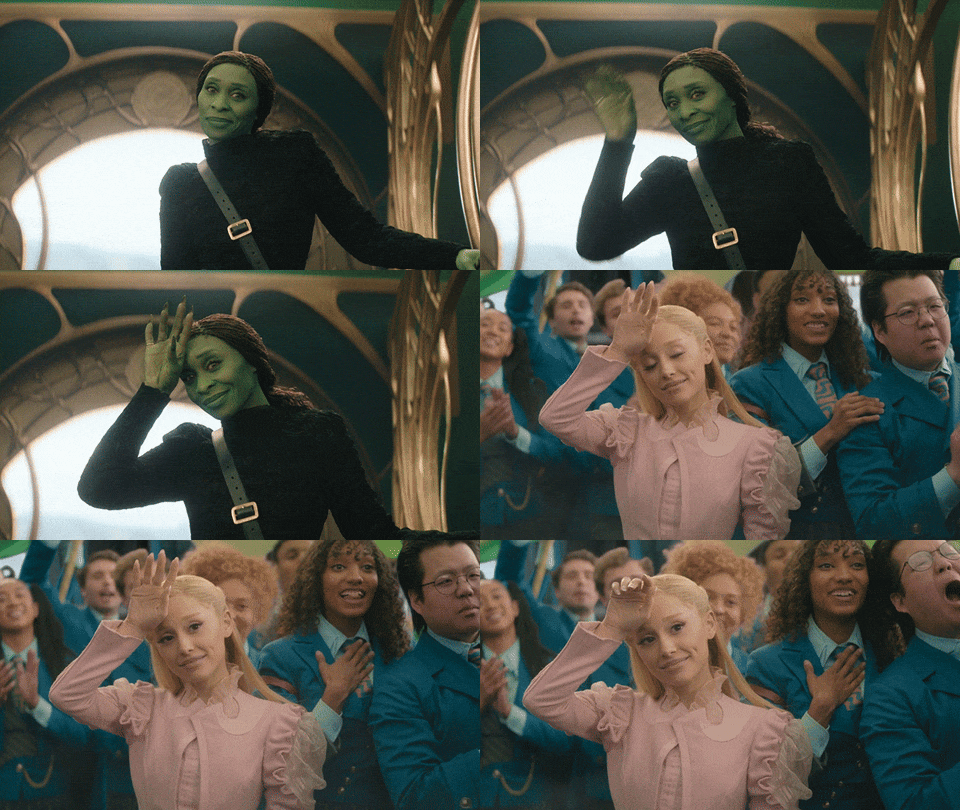
In a World Full of Glindas, Be an Elphaba
Note: If you or a loved one are experiencing an eating disorder, you are not alone. For free, confidential support, tools, and treatment referrals, visit the National Alliance for Eating Disorders or call their helpline at 1-866-662-1235. For 24/7 crisis support via text, message "NEDA" to 741741 to connect with the Crisis Text Line.
🧠🧑🌾 I studied Women & Gender Studies in college and just can't seem to get enough. As an artist, analyzing stories and narratives is my playground. I don’t need them to be tidy to be meaningful. Happy endings are optional; truth, transformation, and a damn entertaining read are not.
So this holiday season, eat well, watch Wicked, and if you love a story about an underdog who rises against the sis-tem, I have just the story for you.
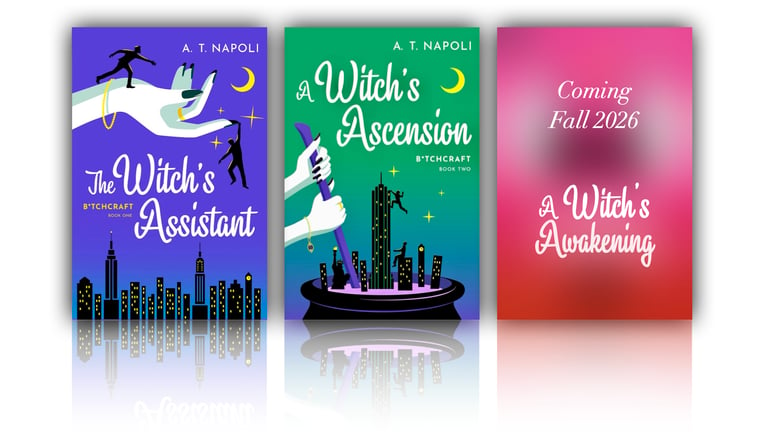
B*TCHCRAFT🌙 is a series for witches, lovers, and anyone else who likes messy, morally grey main characters with a large side of social commentary (and a dash of superhero complex).
And if you hated every word of this post? Perfect, you might love to hate my books. Every story needs a villain. My books already have room for you.

"Light yourself on fire with passion, and people will come from miles to watch you burn." — John Wesley
For glamour and grit wrapped in magic and Manhattan...
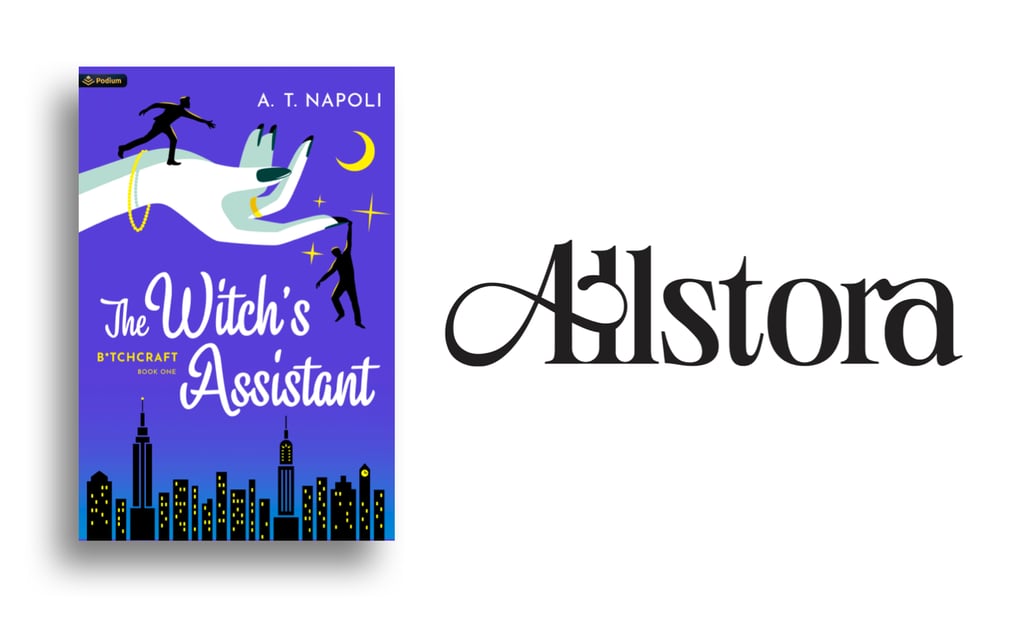







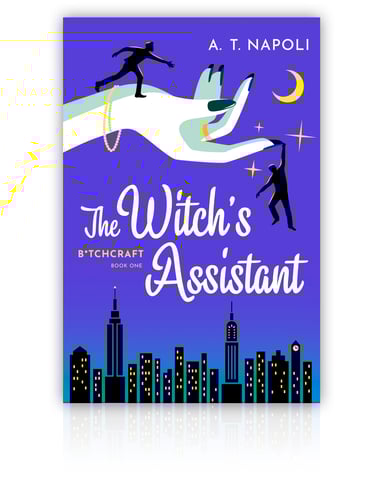
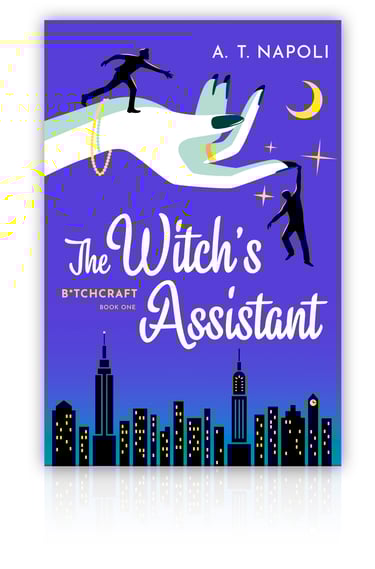
Available Now On
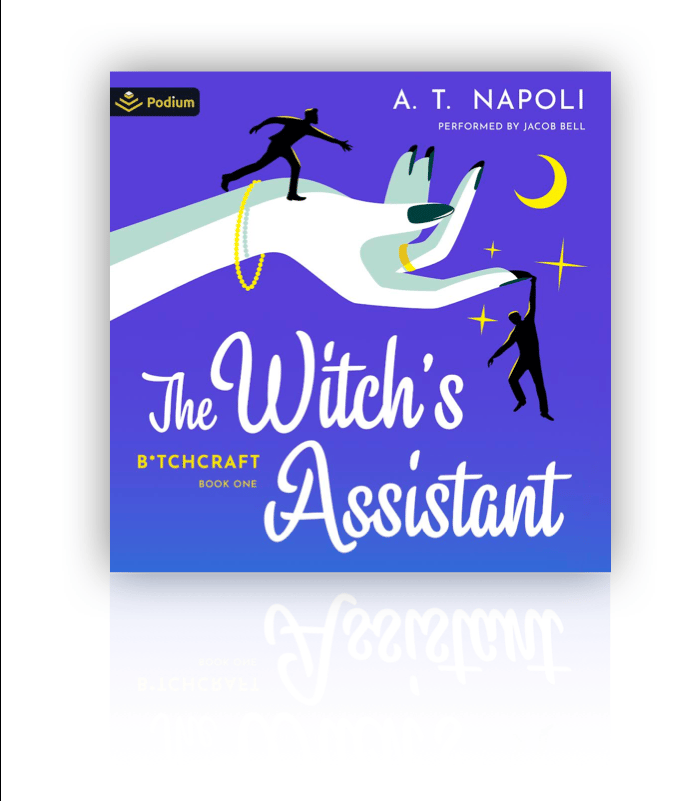
A quirky, queer DEVIL WEARS PRADA fantasy — KIRKUS REVIEWS
CONTACT
© 2026 A. T. Napoli. All rights reserved. All spells final.
Join the mailing list for the latest updates and exclusive content on THE WITCH'S ASSISTANT and its sequels.
Don't Break the Circle...
There's no in
Btchcraftbooks@gmail.com






The Witch's Assistant
B*TCHCRAFT Book One 🌙
A quirky, queer DEVIL WEARS PRADA fantasy — KIRKUS REVIEWS

