
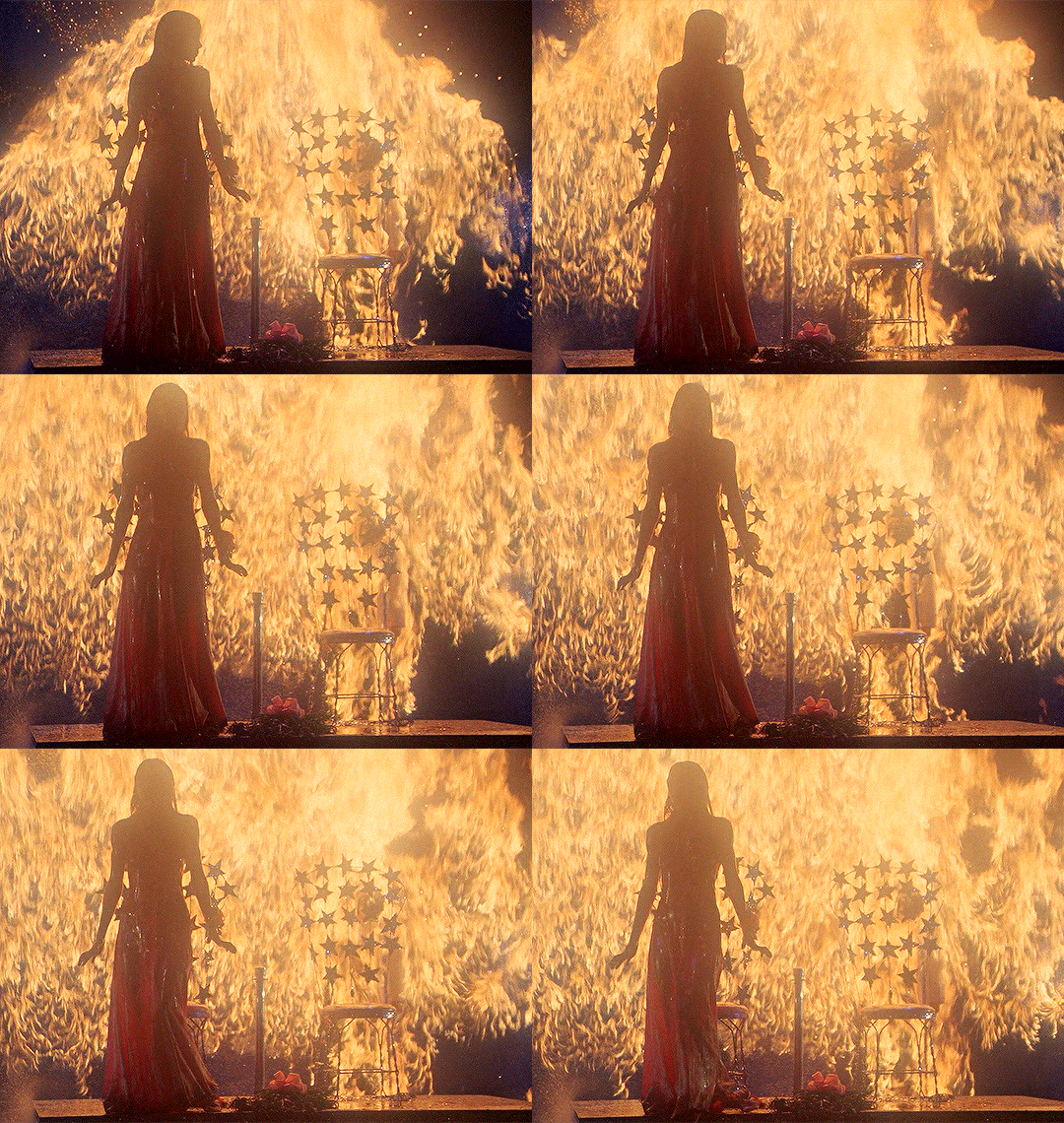
Why Horror Bleeds Red, White, and Blue:
Stephen King’s Carrie
50 Years Later
🇺🇸
Why Horror Bleeds Red, White, and Blue: Stephen King’s CARRIE 50 Years Later 🇺🇸
On the 50th anniversary of King’s debut novel, and why horror is our most American genre.
A. T. Napoli
11/12/20258 min read
A. T. Napoli
11/11/2025 - 5 min read
On the 50th anniversary of King’s debut, and why horror is our most American genre.


They’re All Gonna Laugh At You...
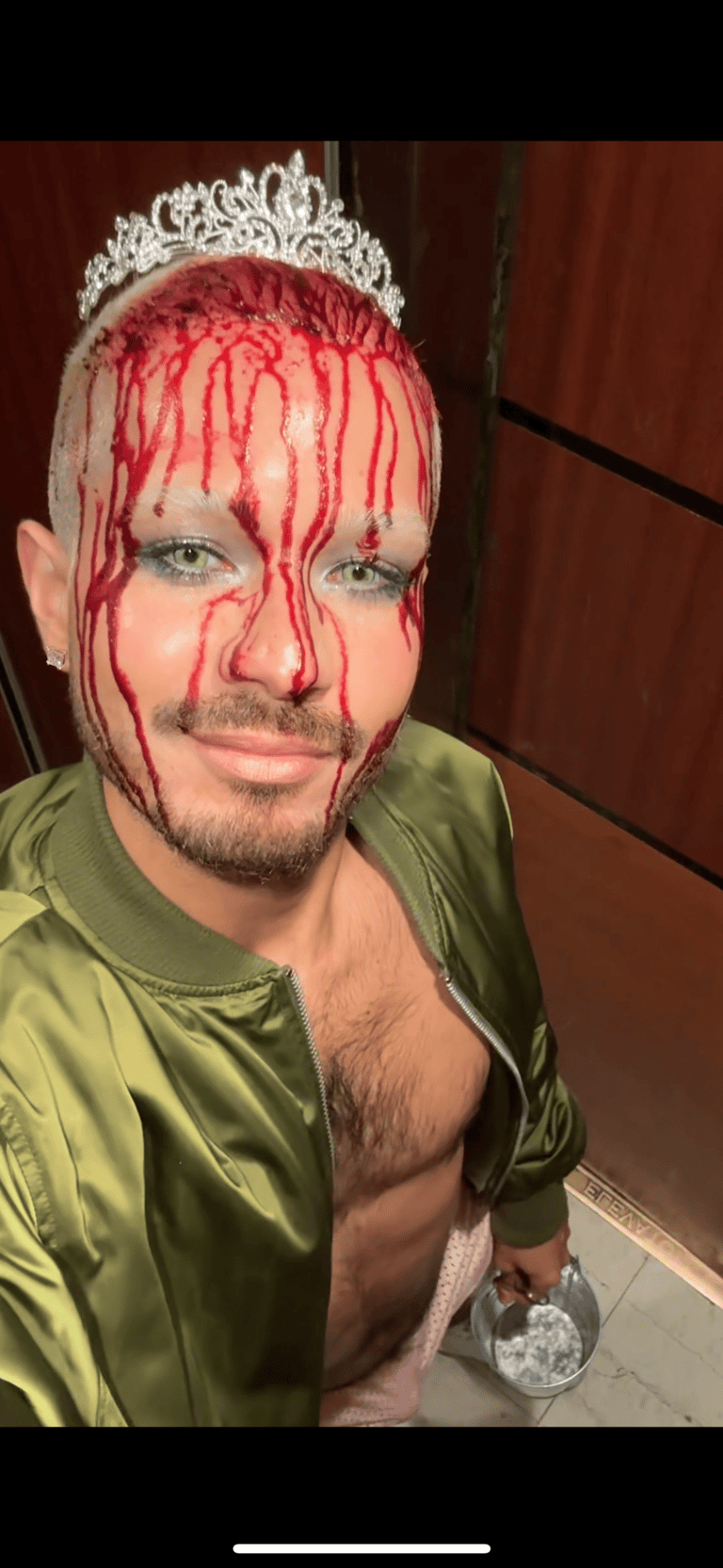
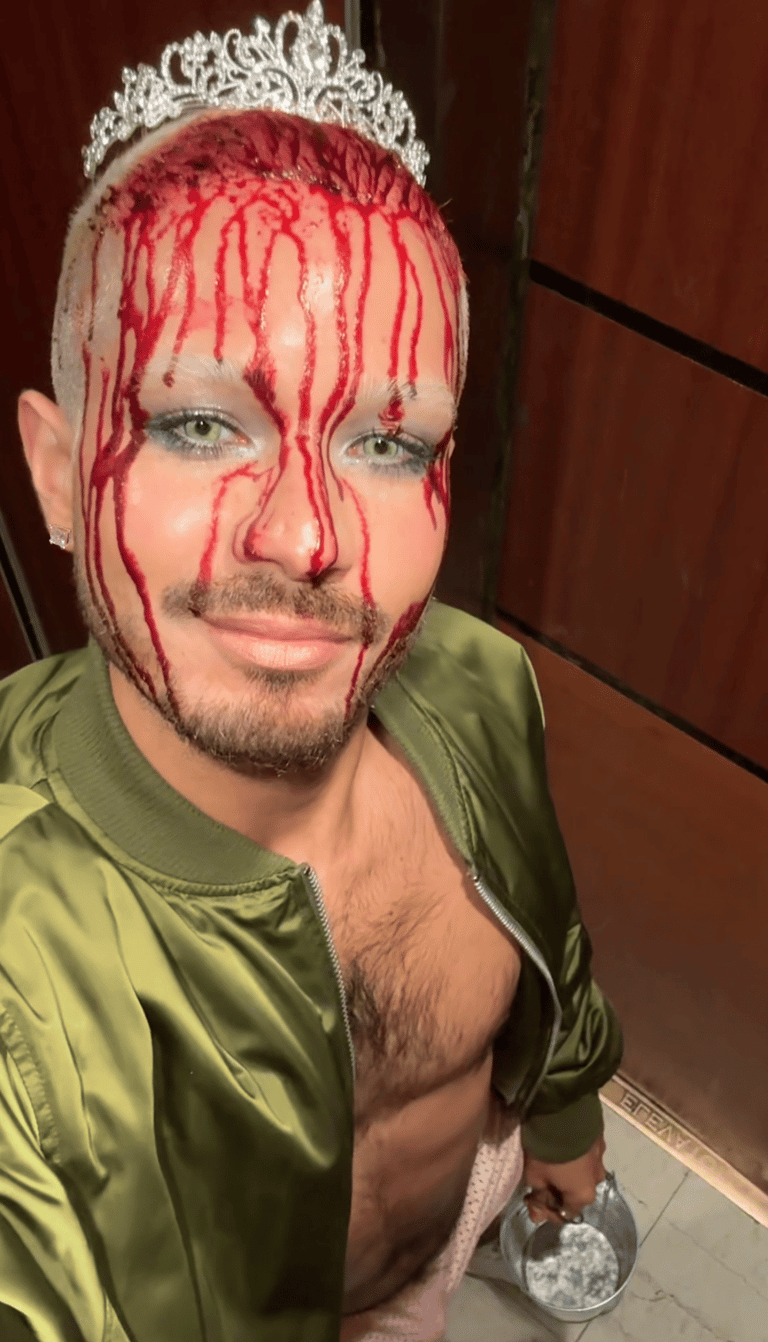
🩸 It’s been a busy year for King.
It: Welcome to Derry, The Long Walk, The Running Man, even King-coded Stranger Things—haven’t we all got Stephen King on the brain in 2025? I know I have. With the latest adaptation of Carrie, King's first published novel, coming to TV in 2026, fifty years after its debut, I got to thinking.
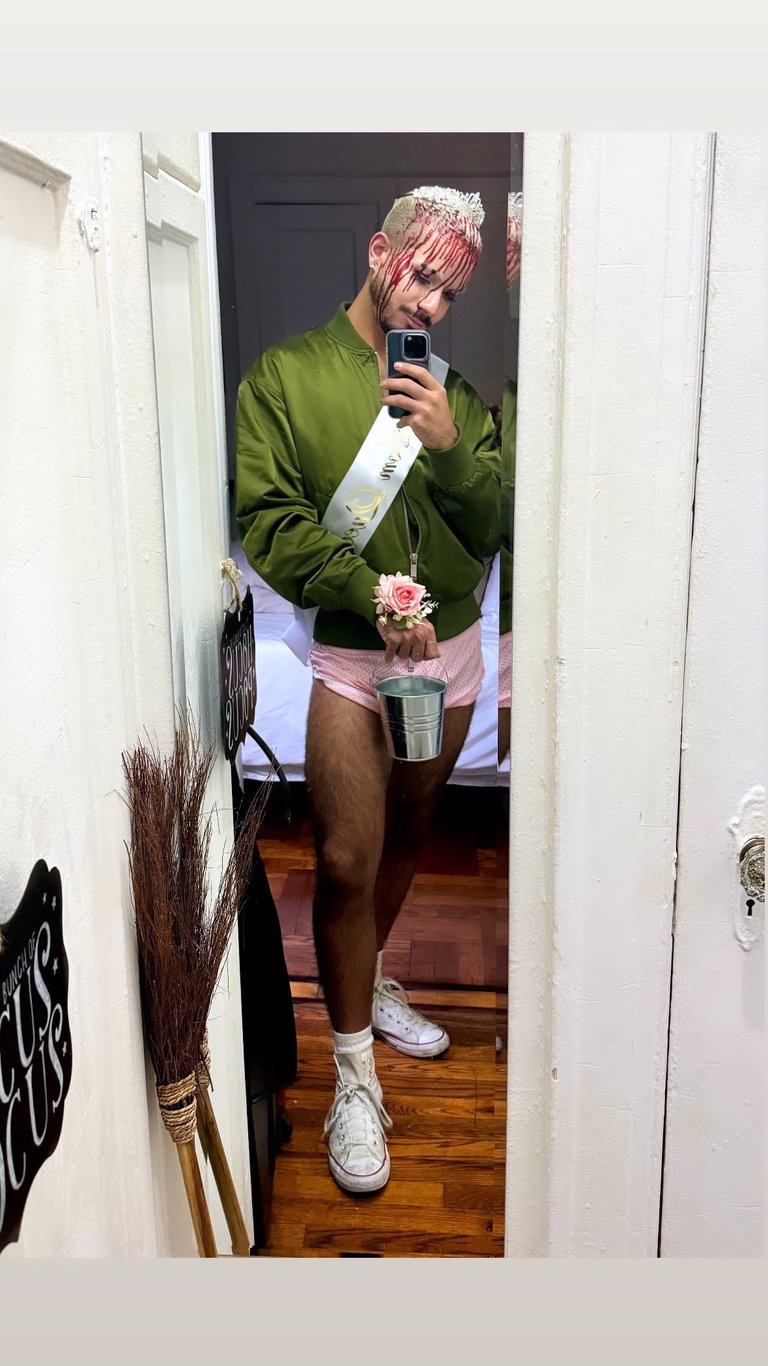
So, this Halloween, I—a 34-year-old, bearded man standing 5'11"—went as Carrie. Yes, that Carrie.
I gave it the ol’ Mr. Sissy Spacek treatment (Missy Spacek™️, if you will): bleached my brows, grabbed my silver Jane Pirkin (a silver purse-pail), and popped in green color contacts for maximum creep. And yes, FTR, my ‘70s running shorts and corsage were not Margaret White red, not even “dirtypillow” pink (lol), but Carrie coral, as Spacek wore in the 1976 classic movie.
Then I hit the town in blood. It was like living through the humiliation ritual in real life. And it was awesome.
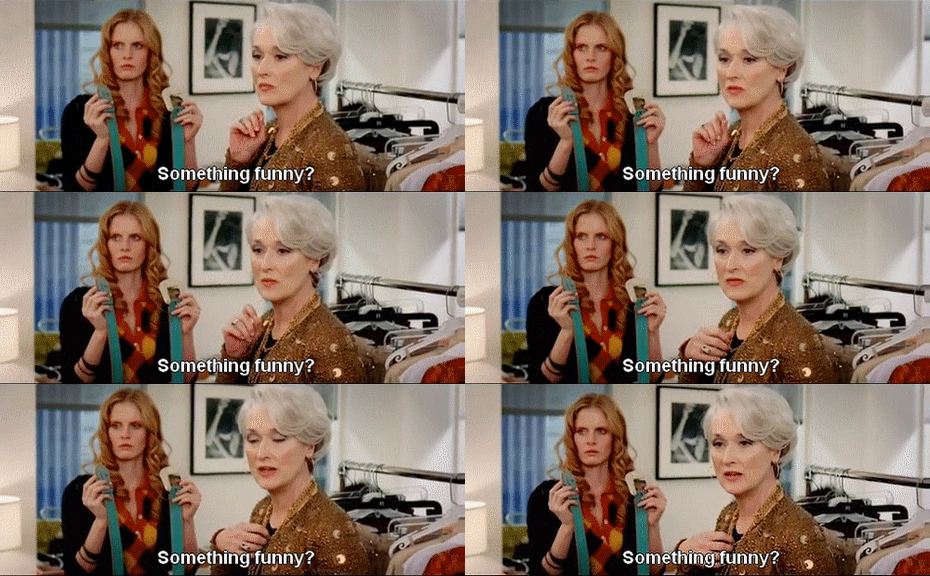
"Pig Blood for a Pig" 🐖🩸🐽✝️
Check out my cun✝️y scary Carrie and more @A.T.Napoli ✨
🤓 I reread the book in a day for the second time since the fifth grade (gag). No, I was not just an “advanced reader” (nerd), it was most definitely flat-out weird to be reading King, especially Carrie, at that age— as I was so reminded by my cardigan-wearing, soft summer-blonde fifth-grade teacher, Mrs. Kimberly.
What could I say? I was a fat, bullied, queer little kid the color of a frog, with nothing but moussaka in his lunchpail, and the insatiable appetite for female underdogs and their untapped metaphysical abilities. You know, like Matilda by Roald Dahl? That old trope (birthed here, I'd argue, by King. I think I shall write my own!).
Carrie is a strange, perverse story—and that’s exactly what makes it so important.
The Devil Wears Prada/Fox 2000 Pictures, 2006
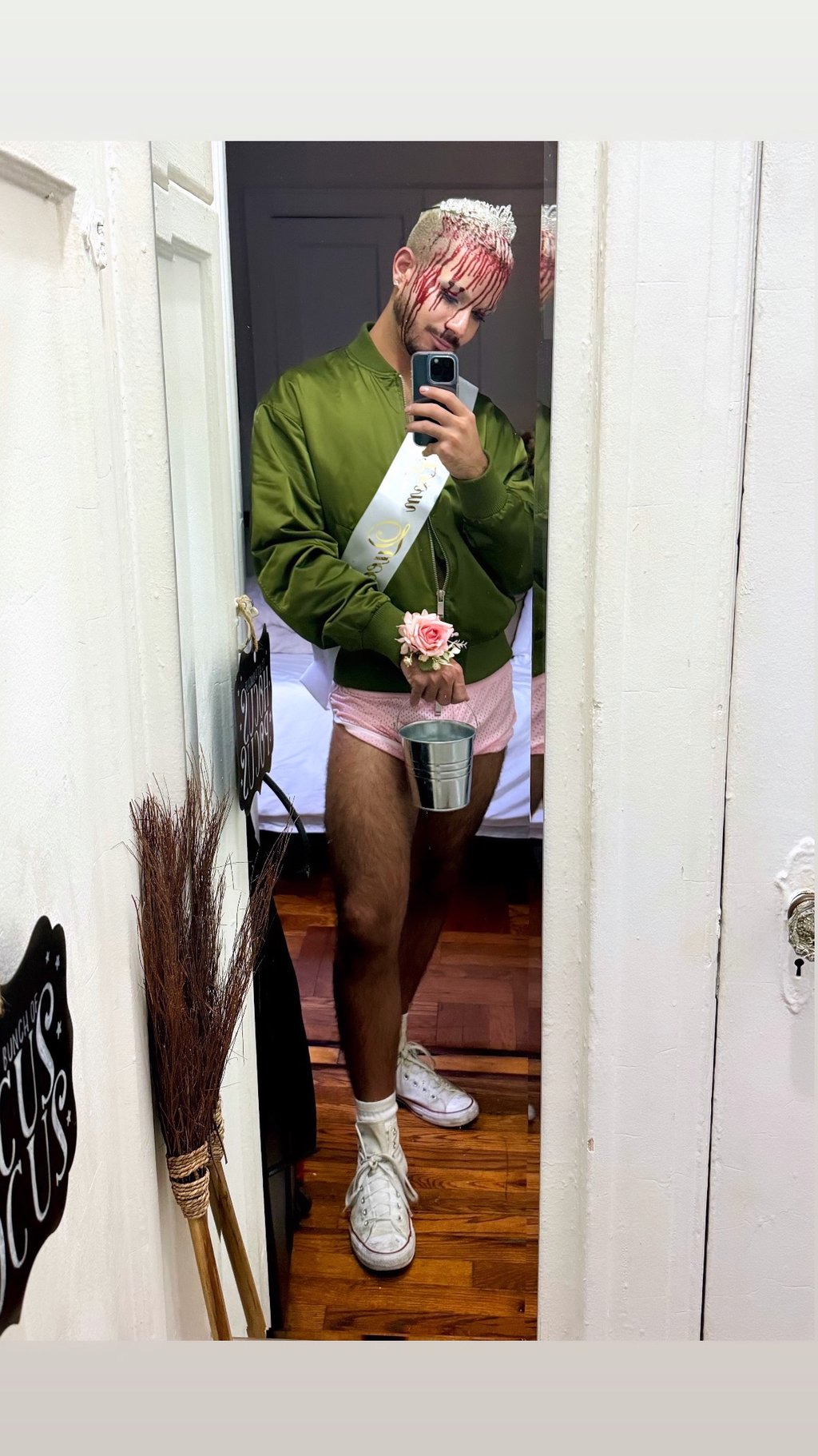


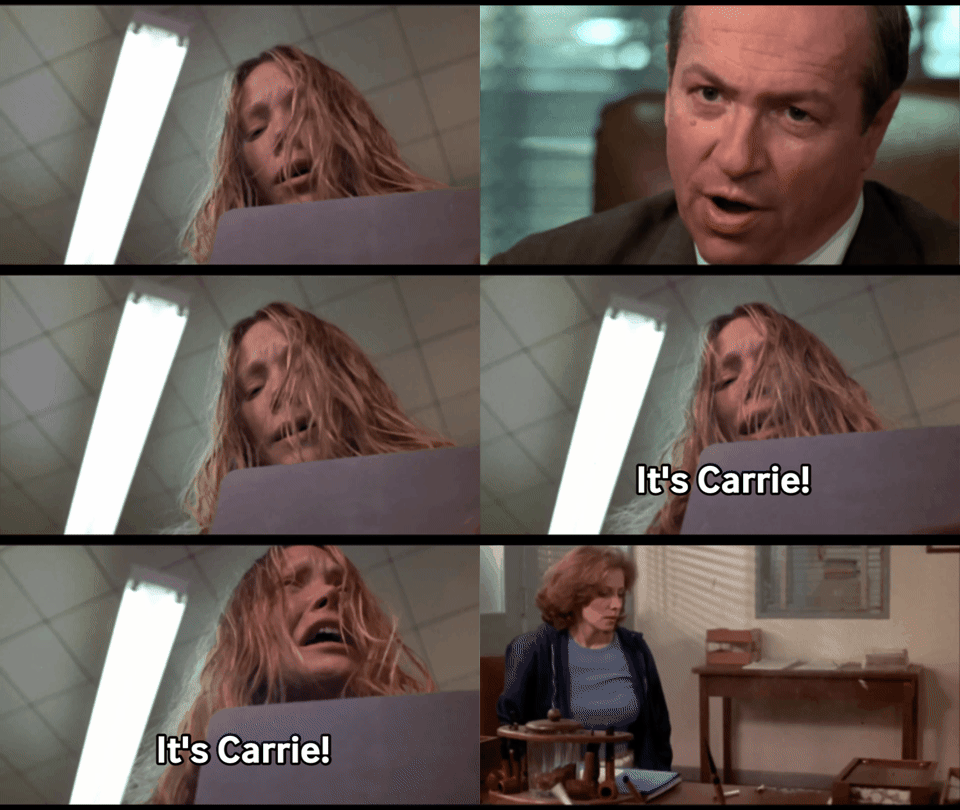
Sorry, Carrie**.
"We’re all very sorry."
But are we? And what good would sorry do anyway, King asks, the road to hell paved with good intentions and remorse in Carrie’s Chamberlain, Maine, 1974 (before she leveled the town and everyone in it). To hell with sorry, we say to that. Because if we're all being honest... there’s something so darkly empowering about Carrie.
The story's fractured, epistolary format—the stream-of-consciousness interiority framed in flashbacks, court transcripts, and journal excerpts on the horror at Chamberlain—made Carrie both a product of its time and a benchmark. King swerves between Carrie’s experience and how Sue Snell, the town of Chamberlain, and the World of Man try not just to reckon with, but claim and codify the aftermath of a collective trauma reduced to female rage. The suspense builds up to a roaring scream, even when we know it all ends in flames.
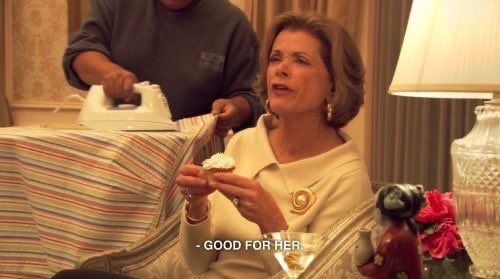
🪞Yet Carrie is more than just a "good for her" revenge fantasy. The bucolic small town, the local loser, the rite of passage that is high school for most of us: surely one of the reasons Carrie is so enduring all these years later is because of King’s knack for spinning a tale that holds a cracked mirror right up to the subconscious of the American Spirit, for all its rot. What does the American Dream cost? Who gets forgotten, and who gets sacrificed? What does it say of us for how we treat our “undesirables” (is there even such a human being? I don't believe so). And what if the underdog bites back?
"[Sorry] is what you say when you spill a cup of coffee..." Carrie White said. "True sorrow is as rare as true love." (King, 1974)
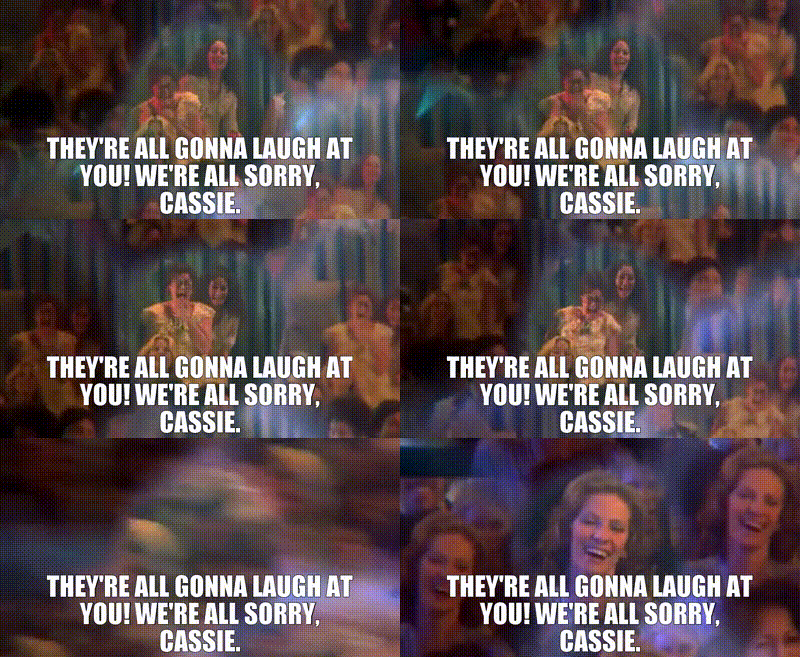
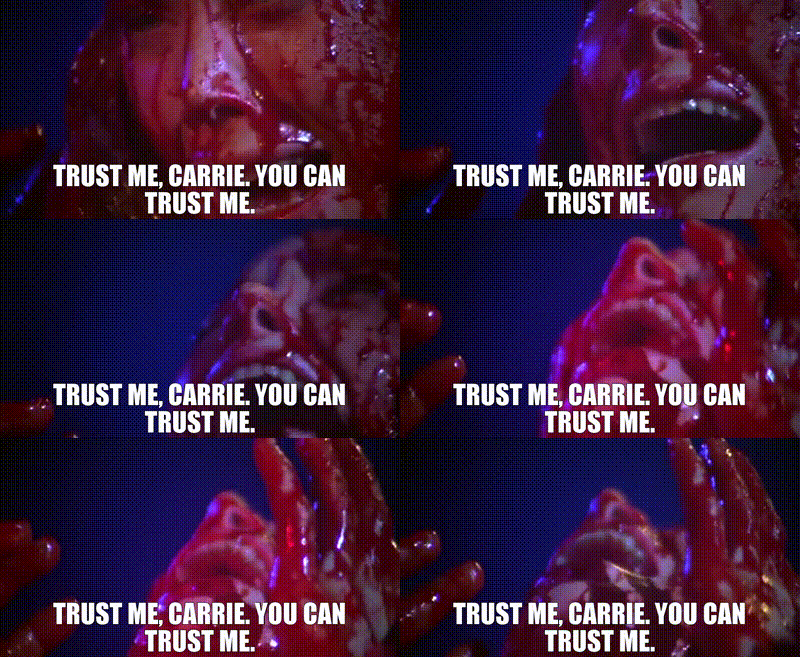
We Have To Talk About Cassie White.
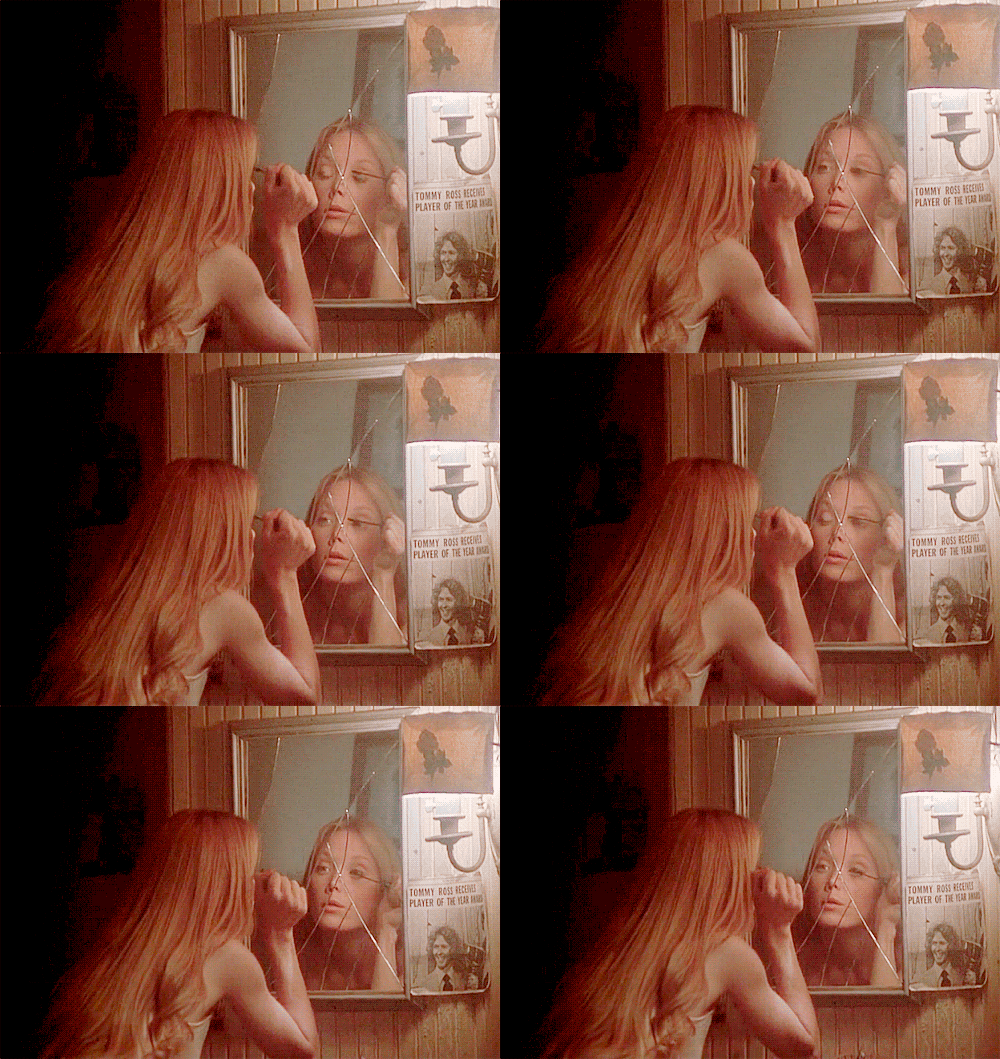
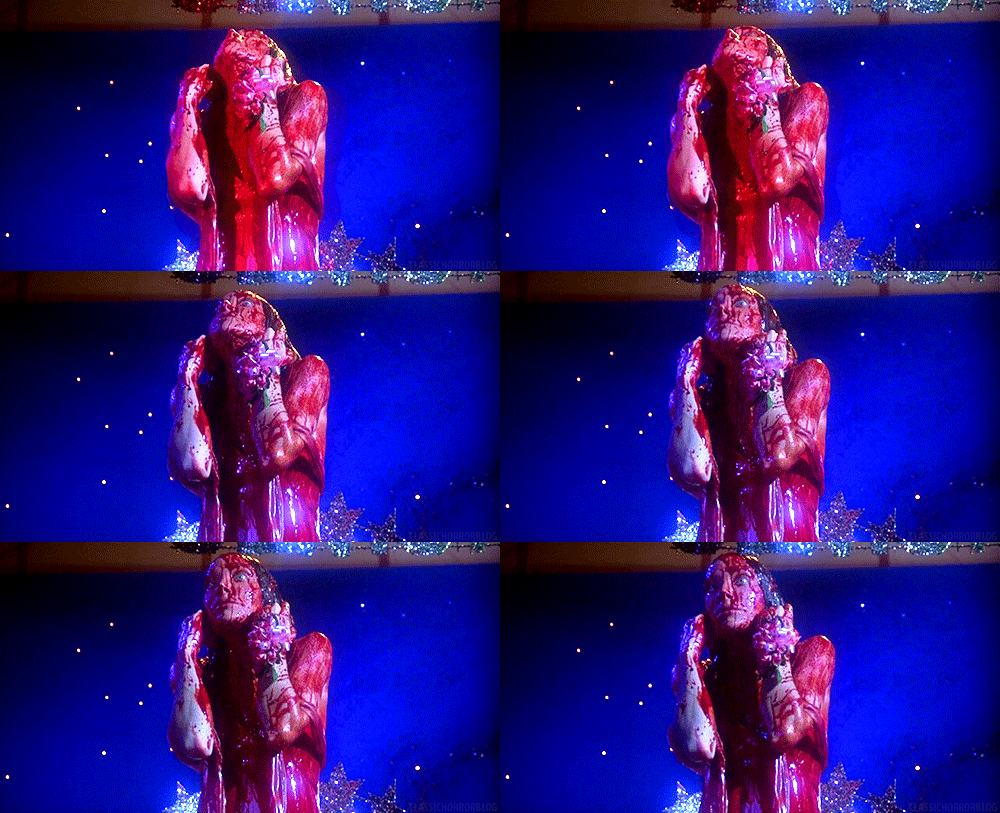
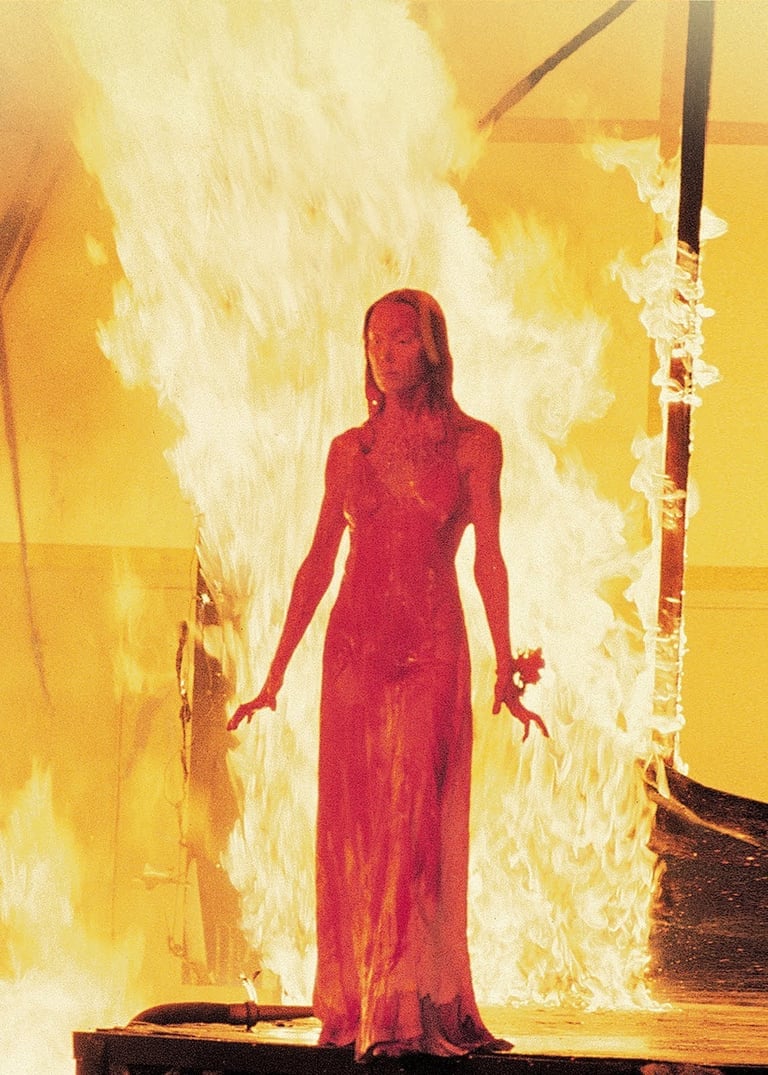
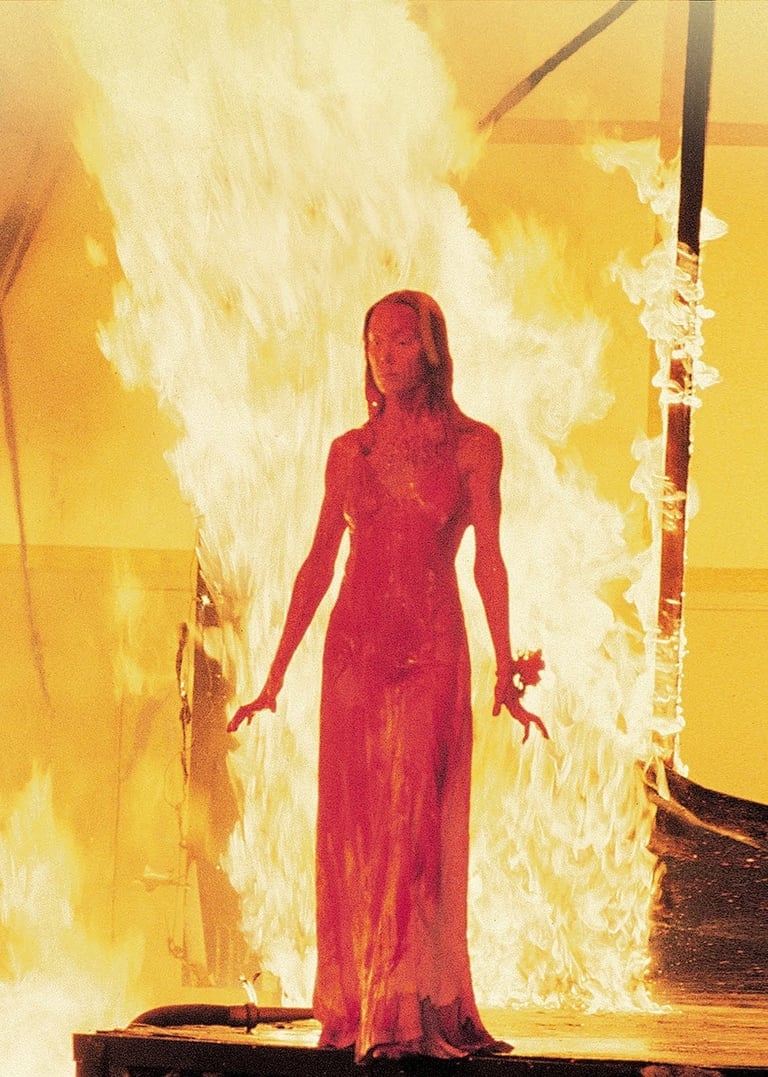
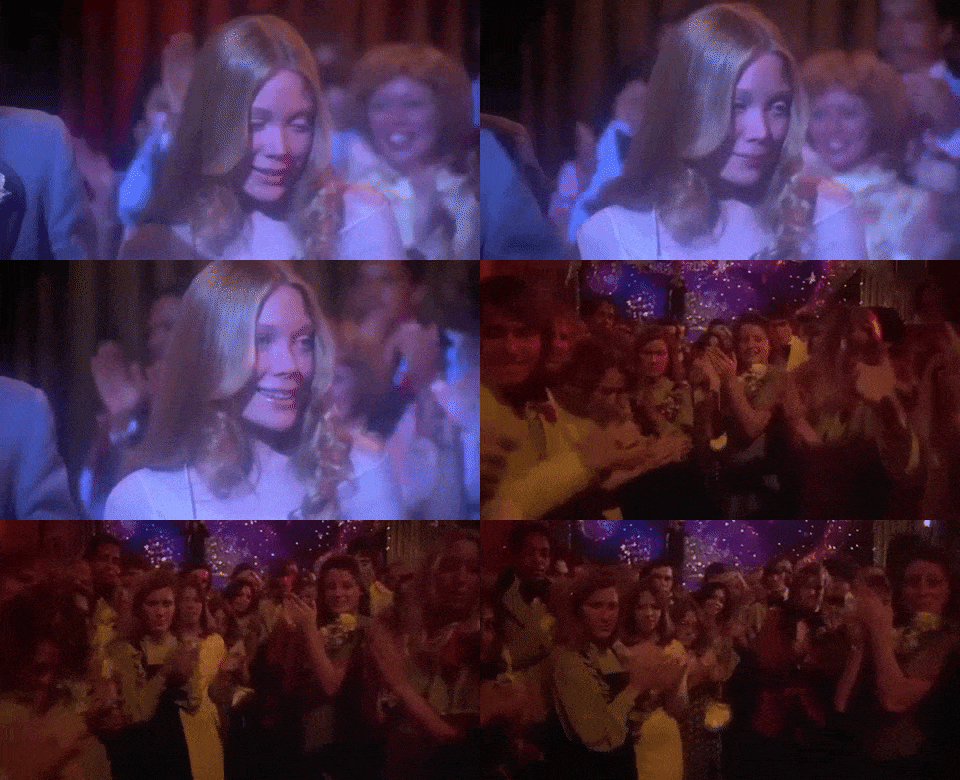
👠 It’s been said that Carrie is a Cinderella story— and I'll take it, albeit even more powerfully so in the original movie. From the shower scene, the transformation leading up to Black Prom's baptisim of blood, fire, and water, to after midnight when the devil comes home, this is one of the rare movies that hits harder than, or can at least stand next to, the book—except the book's powerful ending with Sue that makes this such a satisfying, quick read, IMHO. Happy ending? Depends on who you ask or which version you watch.
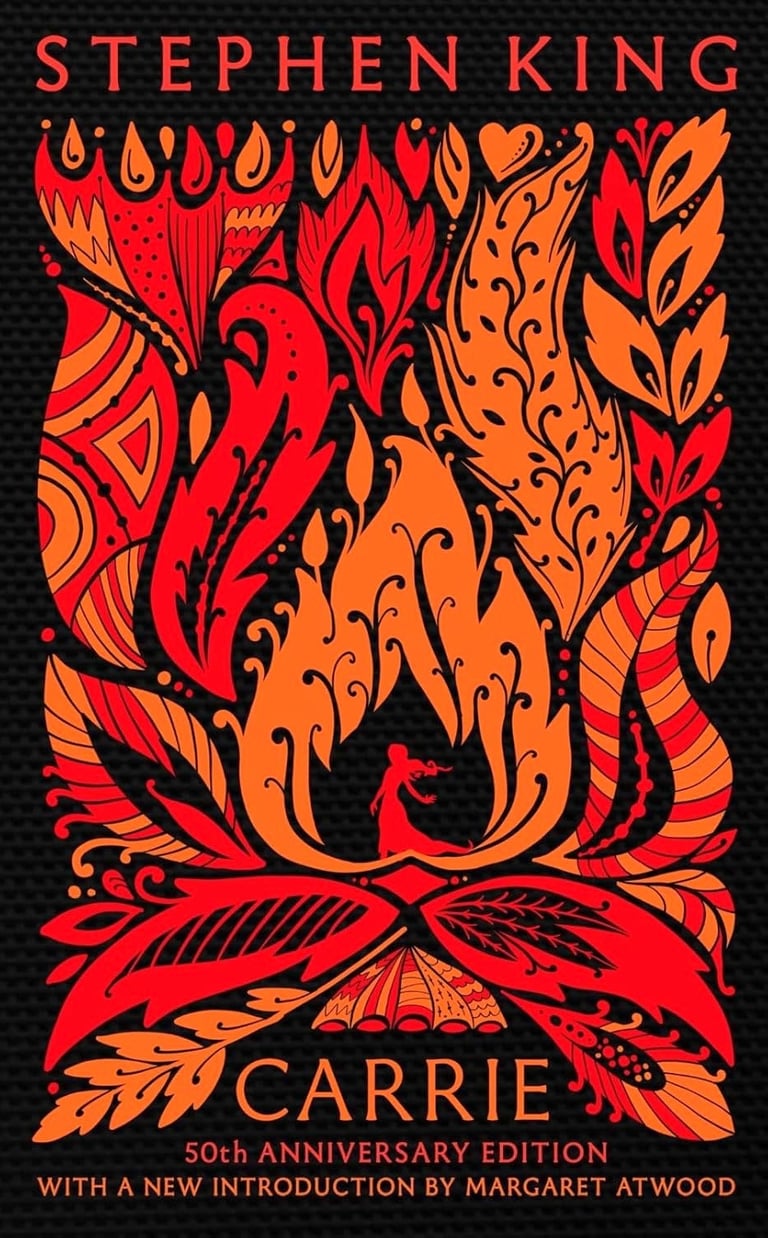
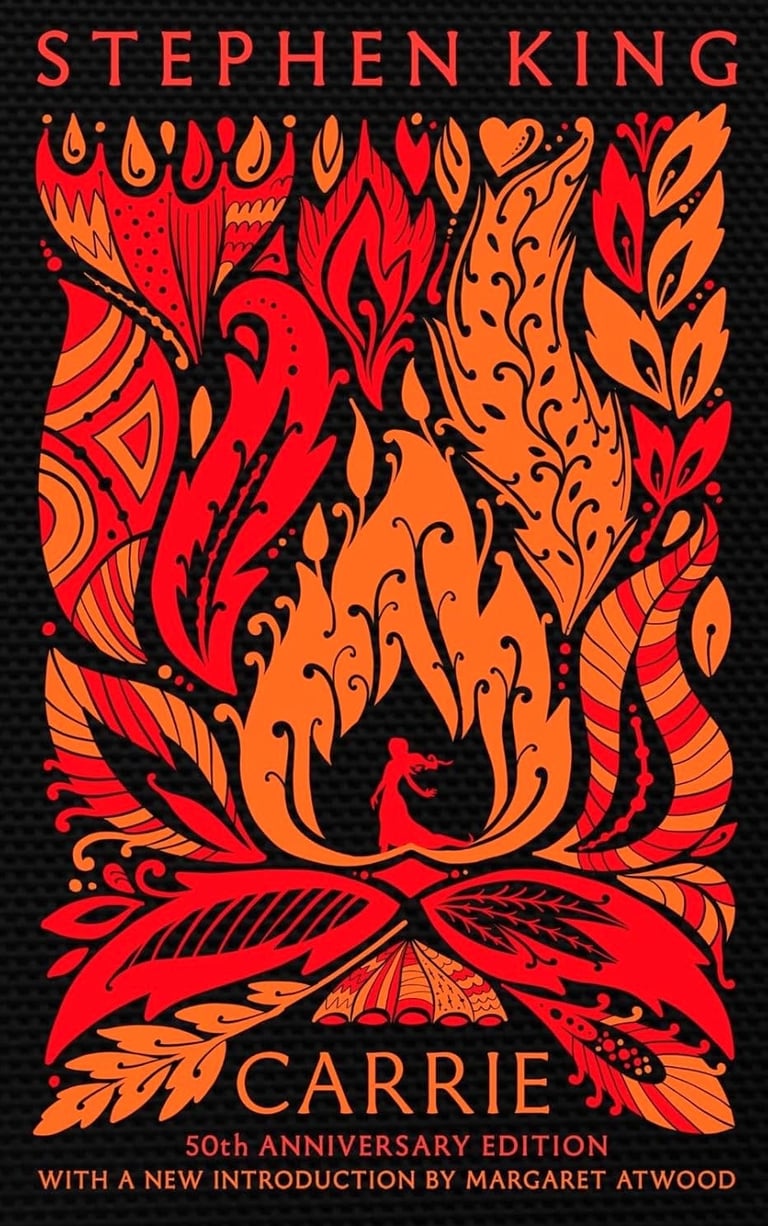
Since its release, there have been three film adaptations (four if you consider the sequel), a musical, and now, on the hem of the novel's 50th anniversary, a TV mini-series is in post-production, headed to screens for yet another generation, a decade after the last. (As for the cult legacy of the musical and its iterations: it is so not canon, not even Margaret Atwood acknowledged it in her foreword for the anniversary edition.)
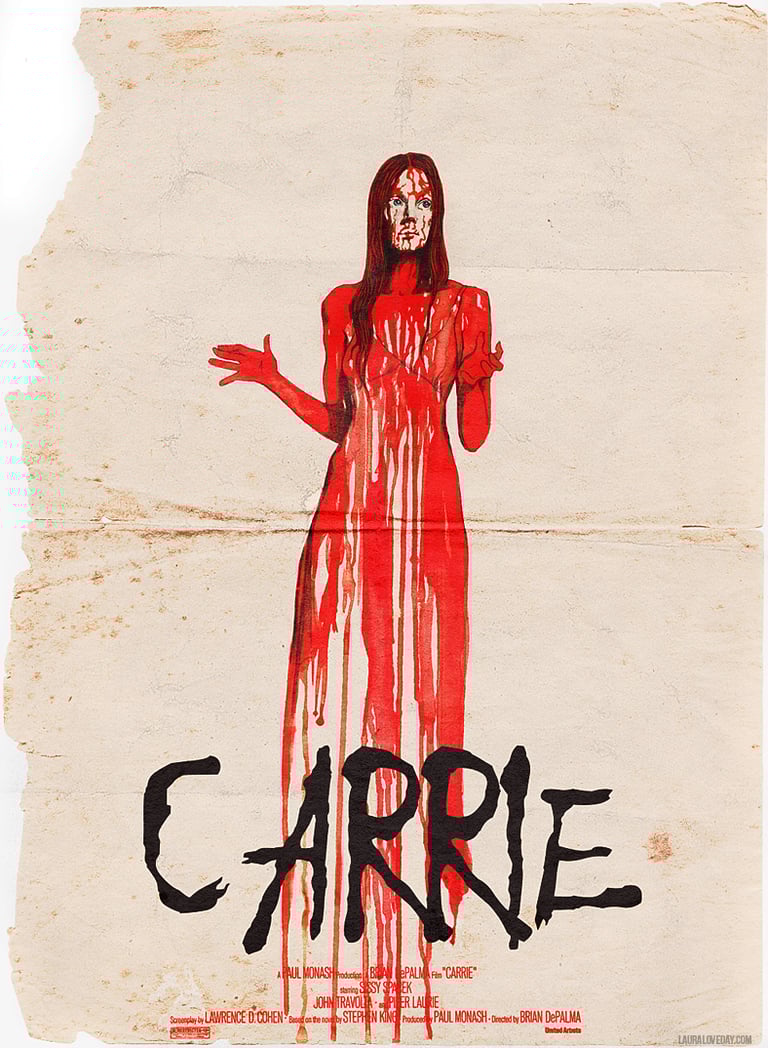
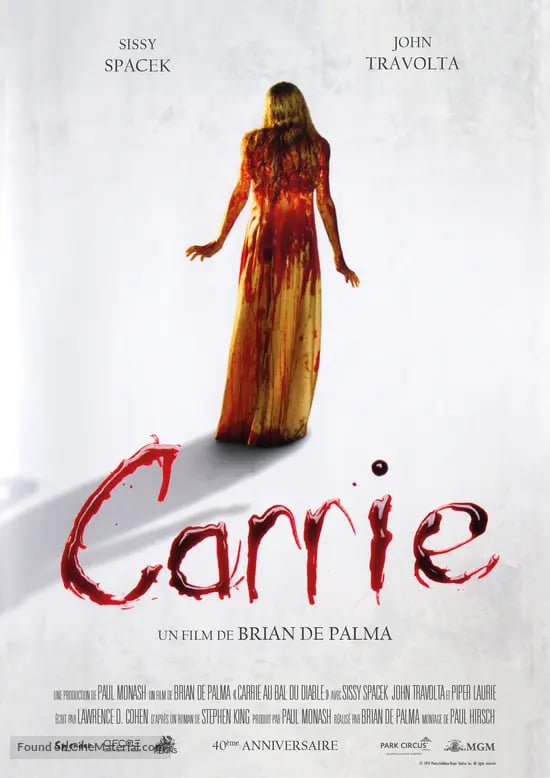
Carrie (1976)/Brian De Palma, entered into the National Film Registry in 2022 for being "culturally, historically, or aesthetically significant."
PLUG IT UP
🐽 Some of the darkest parts about Carrie aren’t just “of its time”: it was ugly then, and it’s ugly now. Misogyny. Racism. Classism. Antisemitism. The depictions of women... Color me 🌈 but the way King writes about the female anatomy—especially that of underage girls—makes this such a, well, a this-was-so-written-by-a-man story. You know what I mean?
Stephen King/Buddy Mays/GettyImages
“There is a time in the lives of most writers when they are vulnerable, when the vivid dreams and ambitions of childhood seem to pale in the harsh sunlight of what we call the real world,” King said at the ceremony. “In short, there’s a time when things can go either way. That vulnerable time for me came during 1971 to 1973. If my wife had suggested to me even with love and kindness and gentleness ... that the time had come to put my dreams away and support my family, I would have done that with no complaint...”
—From Stephen King's speech at the National Book Awards, awarded the Medal of Distinguished Contribution to American Letters in 2003.
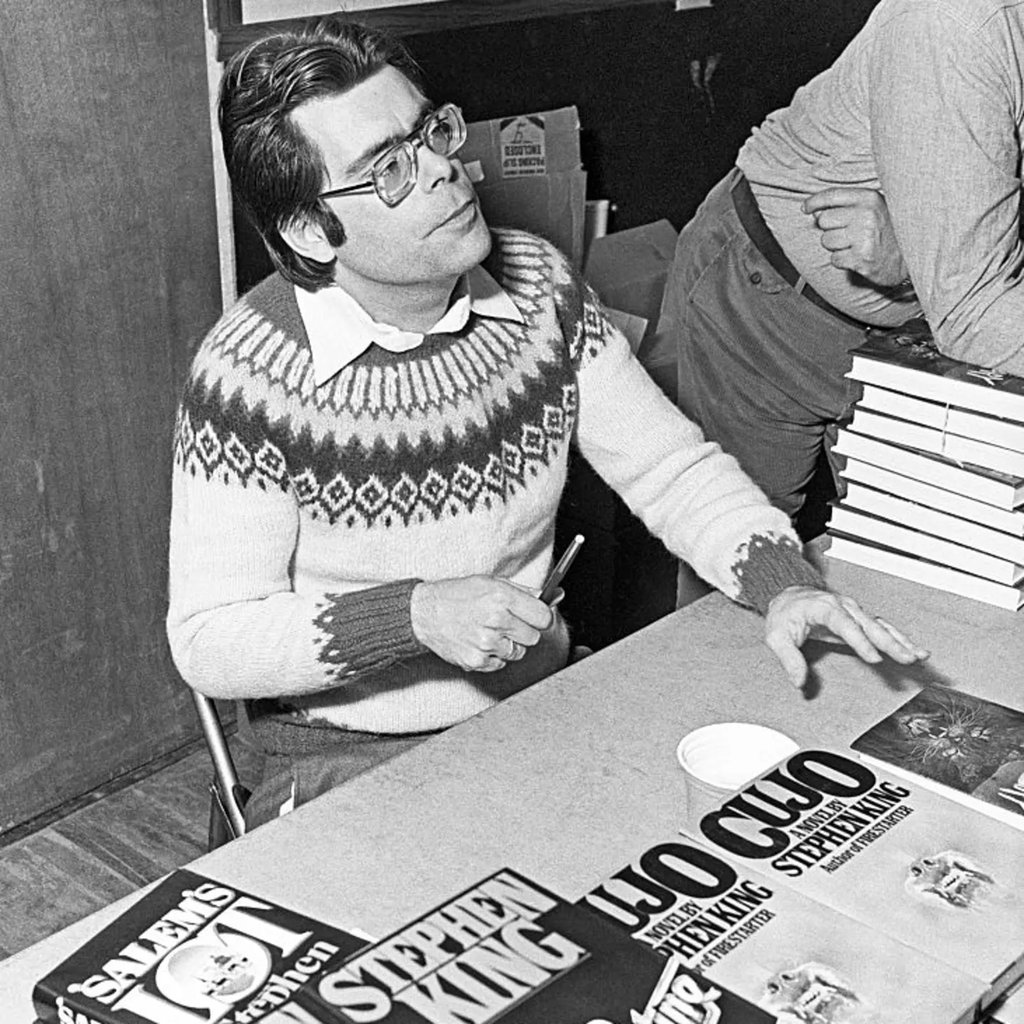
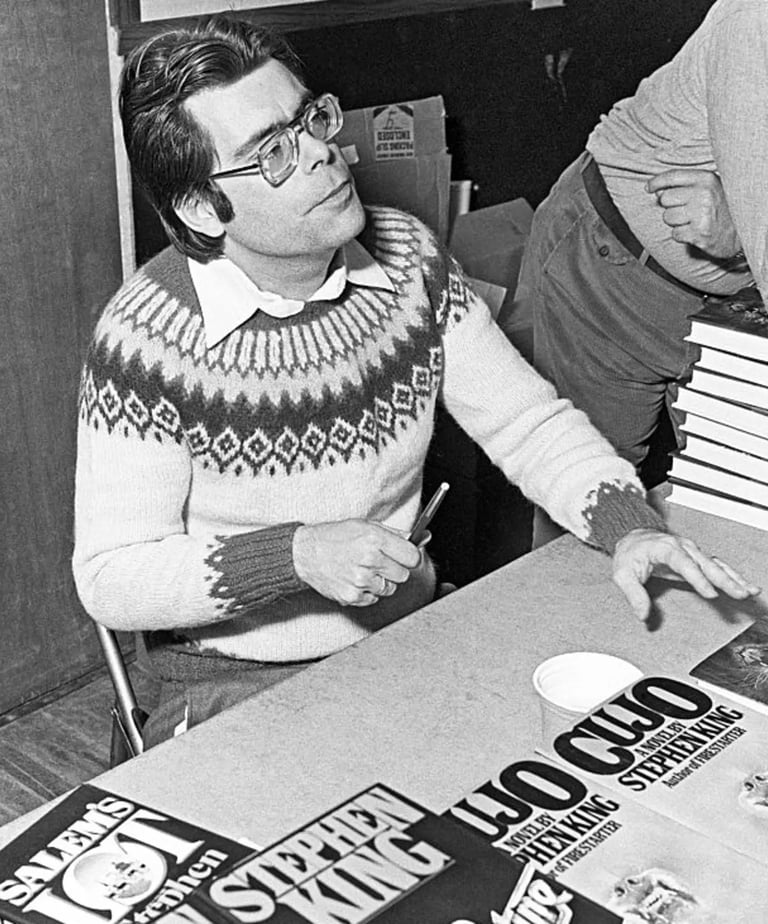
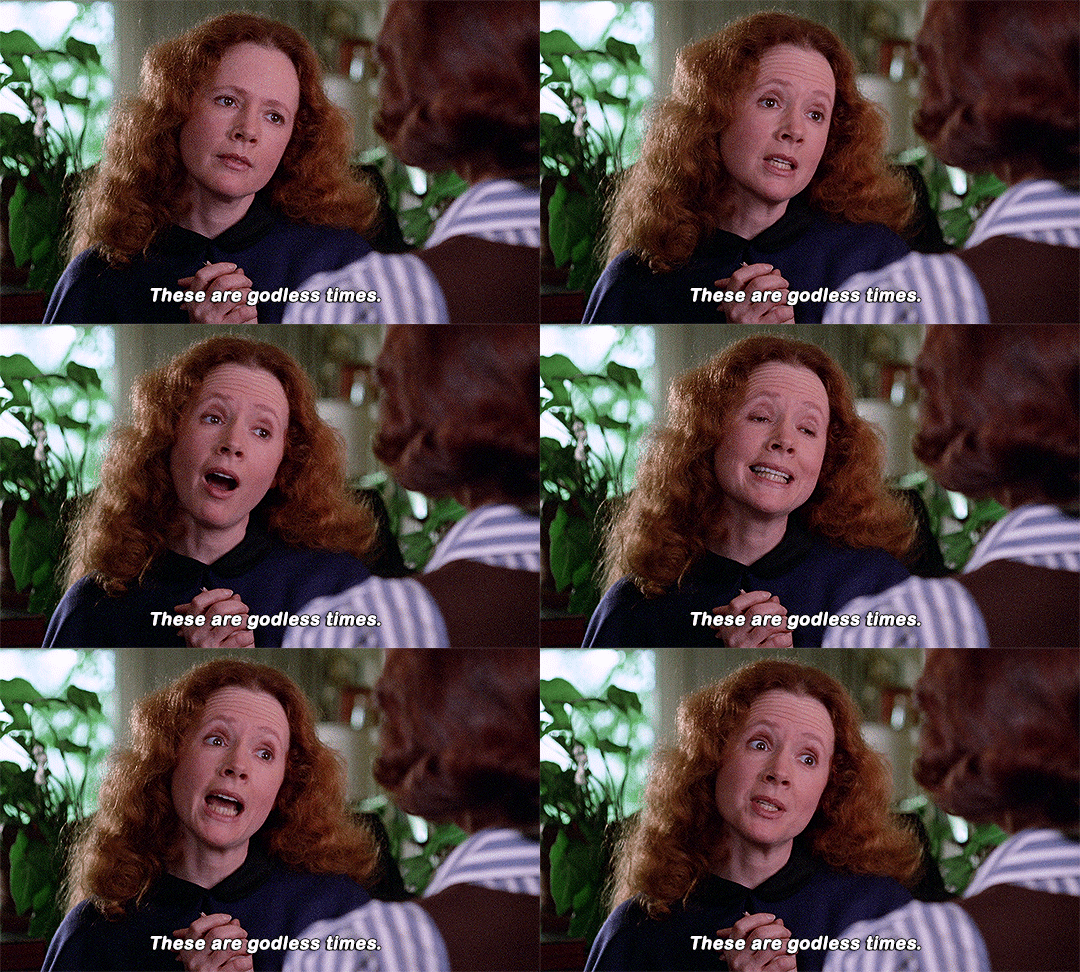
🚿In fact, Carrie actually started as a short story intended for Cavaliar, a men’s magazine. A short story that opens in a teenage girls' locker room… for men. On the heels of Women’s Liberation in the 1970s. I don't believe in censorship: this, indeed, was the world, and still might be. Perhaps it's better to learn and reflect than redact and edit as some editions have done over the years (thirteen minutes in, if you're curious). Carrie still offers far more value in its discomfort than it would in being banned.
It’s King’s first published novel and the launch of his star, so to speak (though not his first written novel, just published). The lore has it in his memoir, On Writing, that had it not been for his wife, Tabitha King, fishing the manuscript out of the trash and imploring him to finish the story, King might not have had the mega-career we’ve come to know, at least not this way. That's why the dedication reads, “This is for Tabby, who got me into it - and then bailed me out of it.”
✝️ With King being able to publish something this raw, this perverse, as his debut, it makes me wonder a phrase that loosely goes: how many Kings have we lost to cornfields*—as in, how many brilliant voices have never made it out of small towns like Chamberlain, Maine? How many have gone unwritten and undiscovered, because they weren't handed the same opportunity, the same chance to be heard? Still, for all its folly, I’m grateful he was able to tell this tale.
Stephen King’s debut was the first horror paperback to earn over $1 million in royalties, which validated horror as a commercially viable genre in the post-Vietnam, post-Women’s Lib era. Its success even opened the door for mass-market horror fiction in the 1970s–80s. ushering in the paperback horror boom, with writers like Anne Rice, Peter Straub, and more.
It’s not often that we get to display this much empathy for the protagonist that we forget we’ve been rooting for the villain all along, even fifty years later. Maybe there's a villain inside all of us, sorry be damned, "to the devil with false modesty," as Carrie White so shows us. She doesn’t just teach Chamberlain. She teaches Sue. And she teaches us.
🩸Stephen King through Carrie reminds us why horror has always been the most egalitarian and American of genres. In it, we have the freedom to explore, process, and heal the darkest truths of the American Dream... and no one gets away scot-free. It's these corners of society where horror festers, in the shadows of the American Psyche. Maybe they're awaiting a light to tell the tale.
Maybe every voice deserves a scream.
*The original quote is by Stephen Jay Gould. It reads, "I am, somehow, less interested in the weight and convolutions of Einstein's brain than in the near certainty that people of equal talent have lived and died in cotton fields and sweatshops."
SIN NEVER DIES
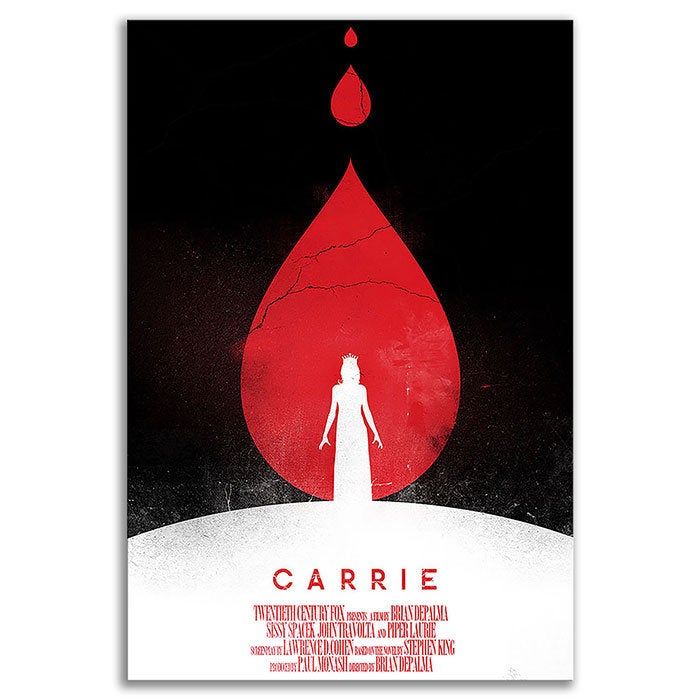
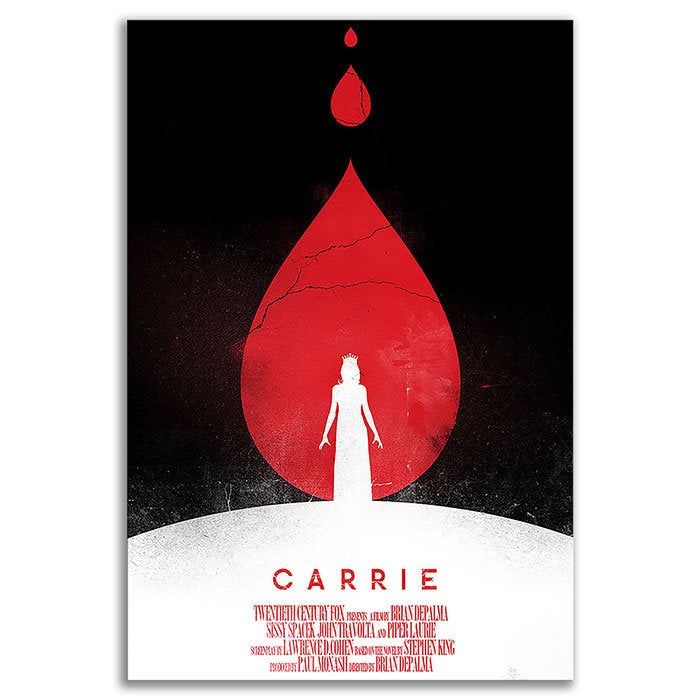
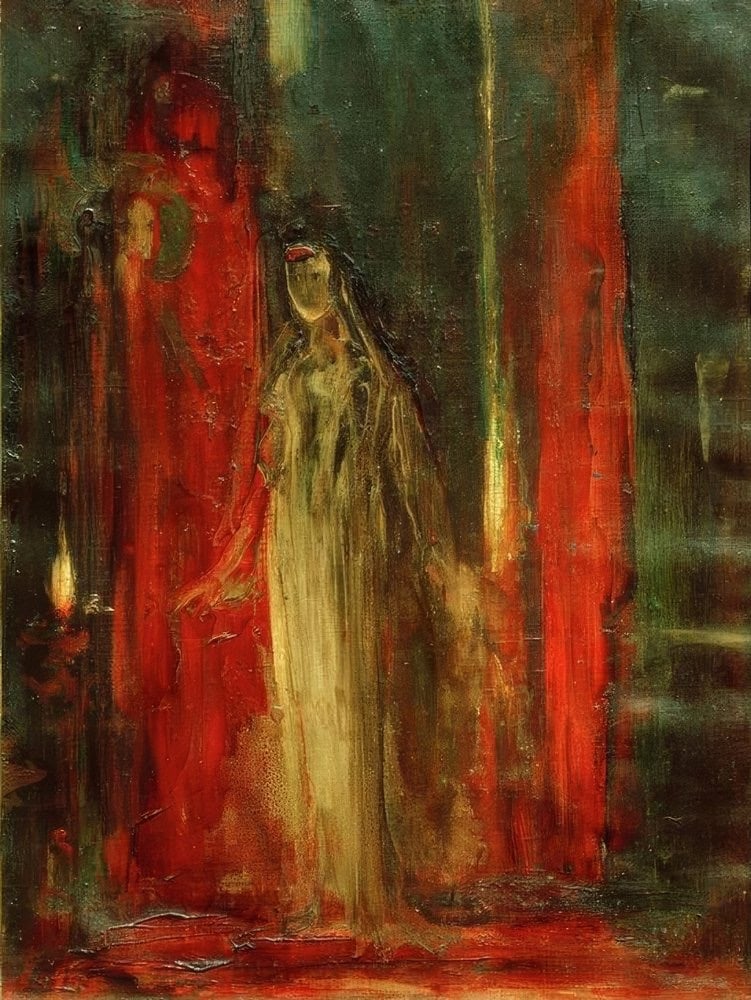
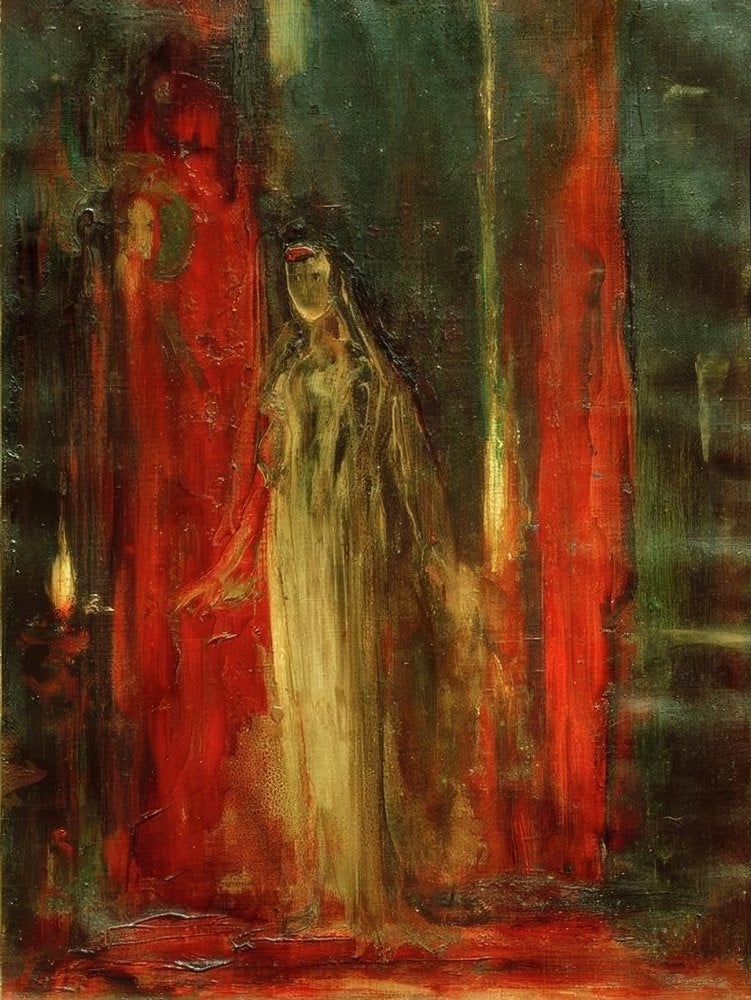
Did you know the film poster for De Palma's Carrie is inspired by The Lady Macbeth by Gaston Bussière? c. 1890s.
To the Devil With False Modesty
✨ Fifty years later, Carrie still holds up as the anti-hero we root for, on a debut that changed everything. And while I’m no King myself, rereading Carrie made me smile, catching glimpses of King’s influence on my own writing, in my own first novel, The Witch's Assistant.
In Book Two, A Witch's Ascension, there’s even a practice scene like Carrie White in front of her mirror, or Matilda Wormwood with her father's cigars (Charisma Eau de Parfum, anyone?).
B*TCHCRAFT Books One and Two are part epistolary story, part underdog tale of major inner monologue proportions, with Book Three on the way, due Fall 2026.
If you like Carrie and if you’re into glamour wrapped in magic and Manhattan, you’ll love B*TCHCRAFT🌙.
CONTACT
© 2026 A. T. Napoli. All rights reserved. All spells final.
Join the mailing list for the latest updates and exclusive content on THE WITCH'S ASSISTANT and its sequels.
Don't Break the Circle...
There's no in
Btchcraftbooks@gmail.com








The Witch's Assistant
B*TCHCRAFT Book One 🌙
A quirky, queer DEVIL WEARS PRADA fantasy — KIRKUS REVIEWS

